
Botteri's Sparrows, rare birds of southern Arizona's Sonoran Desert grasslands, offer birders a unique opportunity to observe elaborate territorial displays during breeding season. To maximize sighting chances, visit open grasslands early morning or late afternoon near water sources. Understanding their behavior and habitat preferences enhances the birding experience and aids conservation efforts. Responsible birding practices include maintaining safe distances and non-intrusive techniques. Birding in southern Arizona naturally contributes to grassland bird conservation, inspiring community engagement and protection of at-risk sites through citizen science data collection.
Birding enthusiasts and conservationists alike have long recognized the importance of understanding territorial behavior in species like Botteri’s Sparrow, native to the unique ecosystem of birding in southern Arizona. These delicate grasslands serve as a crucial habitat, but human activity has led to declining populations and fragmented habitats, posing significant challenges for these birds’ survival. Our research focuses on monitoring and analyzing Botteri’s Sparrow territorial displays within the Sonoita grasslands, offering a practical solution to inform conservation efforts and protect this vital natural area for future generations of birders.
- Botteri’s Sparrow: Southern Arizona's Grassland Resident
- Understanding Territorial Displays: A Birder's Guide
- The Role of Sonoita Grasslands in Sparrow Habitat
- Observing and Documenting Sparrow Behavior in the Field
- Contributions of Birding to Conserving Grassland Birds
Botteri’s Sparrow: Southern Arizona's Grassland Resident

Botteri’s Sparrow, a striking and elusive species, calls the grasslands of southern Arizona home. This small but vibrant bird is a true gem for birders fortunate enough to witness its territorial displays in their natural habitat. The Sonoran Desert, with its sprawling grasslands and unique ecological conditions, provides an ideal setting for Botteri’s Sparrow to thrive.
During the breeding season, these sparrows engage in intricate dances of flight and song to assert and defend their territories. Observing these displays offers birders a rare opportunity to appreciate the species’ beauty and agility up close. Their songs, often described as a series of twitters and trills, fill the air with a melodic symphony that contributes to the rich auditory landscape of the desert. This behavior is particularly captivating for those who dedicate time to exploring the region’s diverse ecosystems through birding in southern Arizona.
To increase your chances of encountering Botteri’s Sparrow, experienced birders suggest early morning or late afternoon visits to open grasslands and scrubland areas. Locating a water source nearby can be advantageous as these birds are often drawn to such sites during their displays. Understanding the species’ behavior and habitat preferences allows enthusiasts to immerse themselves in the natural world, fostering deeper connections with the unique avian life of southern Arizona.
Understanding Territorial Displays: A Birder's Guide

Botteri’s Sparrows, a species native to the grasslands of southern Arizona, offer birders an extraordinary opportunity to witness intricate territorial displays. These rituals are not just visually stunning but also hold significant ecological value, providing insights into mating patterns and resource defense. Understanding these displays is crucial for any enthusiast engaging in birding in this region, as it allows for a deeper connection with the local avifauna. When observing Botteri’s Sparrows during their breeding season, one can often see males establishing and defending territories, attracting mates, and even chasing off intruding sparrows from neighboring areas.
The territorial displays commence with singing, where males produce a distinctive, high-pitched tune to mark their territory and attract females. This is followed by elaborate flight maneuvers, including diving, soaring, and intricate jumping patterns designed to showcase their agility and fitness. During these performances, the male bird’s plumage may appear more vibrant, with distinct markings becoming more pronounced, which are intended to impress potential mates. Birder’s guides emphasize that observing these displays can provide valuable information about population dynamics and health within a species, making it an essential aspect of studying avian behavior in the region.
For those interested in documenting and contributing to research, recording the frequency and intensity of territorial interactions can be highly beneficial. This data helps scientists track changes over time, especially in response to habitat alterations or climate shifts. Additionally, birders can play a vital role in raising awareness about the importance of preserving natural grasslands, which are essential habitats for many species, including Botteri’s Sparrow. By engaging in responsible birding practices and sharing their experiences, enthusiasts can foster a deeper appreciation for the rich biodiversity found in southern Arizona’s unique ecosystems.
The Role of Sonoita Grasslands in Sparrow Habitat

The Sonoita grasslands play a pivotal role in supporting the habitat of Botteri’s Sparrow (Zonotrichia botterii), a species of particular interest to birders in southern Arizona. This unique ecosystem, characterized by its expansive grasslands and diverse vegetation, provides critical breeding and foraging grounds for these sparrows, contributing significantly to their territorial displays and overall population health. The grasslands’ rich biodiversity offers a multitude of resources, including insects and seeds, essential for the sparrows’ nutritional needs during the breeding season.
Research has shown that Botteri’s Sparrows exhibit distinctive territorial behavior within the Sonoita grasslands, with males engaging in elaborate song and display routines to assert and defend their nesting areas. This habitat is particularly valuable as it offers open spaces for these birds to perform their aerial displays, a key component of mate attraction and breeding success. Moreover, the grasslands’ structure facilitates nesting by providing cover from predators, enhancing the survival rates of both adult sparrows and their offspring.
Conservation efforts focused on maintaining and restoring these grasslands are thus crucial for sustaining healthy Botteri’s Sparrow populations. Birders and conservationists alike can contribute by advocating for sustainable land management practices in the region. This includes promoting responsible grazing regimes and habitat restoration projects that prioritize the unique ecological characteristics of the Sonoita grasslands, ensuring their continued role as a vital sanctuary for birding enthusiasts and endangered species alike.
Observing and Documenting Sparrow Behavior in the Field

Observing Botteri’s Sparrow territorial displays in their native habitat of southern Arizona’s grasslands offers birders a rare opportunity to study these elusive birds up close. To effectively document their behavior, field researchers employ meticulous techniques that include both visual and audio recording methods. During the morning hours when activity is at its peak, scientists position themselves discreetly within the grassland ecosystem, using binoculars and high-quality cameras equipped with telephoto lenses to capture detailed images without disturbing the sparrows’ natural routines.
Audio recordings are equally valuable. Researchers use specialized equipment to record territorial chants and chirps, which can be analyzed later to identify individual birds and assess their interactions with neighboring groups. This dual approach allows for a comprehensive understanding of Botteri’s Sparrow social dynamics, including mating rituals, nesting behaviors, and aggressive displays. By studying these patterns, scientists gain insights into the species’ conservation needs, as well as contribute valuable data to global ornithological communities.
For birding enthusiasts interested in participating in this type of research, it’s essential to prioritize non-disruptive observation techniques. This includes adhering to ethical guidelines for wildlife observation, such as maintaining a safe distance and avoiding sudden movements that might startle the birds. Engaging in birding in southern Arizona naturally provides an ideal setting for witnessing these displays, but responsible practices are paramount to ensure the well-being of both researchers and the study subjects.
Contributions of Birding to Conserving Grassland Birds
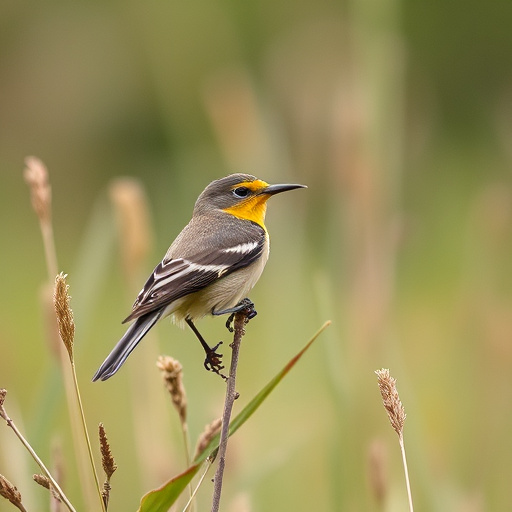
Birding has emerged as a powerful tool in conserving grassland birds, particularly in southern Arizona’s unique ecosystem. The region’s diverse habitats, from sprawling grasslands to mesic forests, serve as vital nesting grounds and feeding areas for numerous avian species, including the elusive Botteri’s Sparrow. Observers engaged in birding activities play a crucial role in monitoring these birds’ territorial displays, providing valuable insights into their population health and habitat needs.
One of the key contributions of birding is its ability to detect early signs of habitat degradation or changes in bird behavior. Dedicated birders in southern Arizona have long noticed the decline of Botteri’s Sparrows in certain areas, correlating it with the loss of native grasslands due to urban expansion and agriculture. By meticulously documenting territorial songs, nest locations, and chick survival rates, these citizen scientists can identify critical habitats that require conservation efforts. This data-driven approach has led to successful partnerships between local birding groups and land management agencies, resulting in the implementation of protective measures for at-risk grassland sites.
Furthermore, birding fosters a deep connection between communities and their natural surroundings. Local bird clubs organise regular field trips and educational programs, encouraging residents to explore and appreciate the region’s biodiversity. These activities not only raise awareness about endangered species but also inspire actions to protect them. For instance, many birding enthusiasts have actively participated in grassland restoration projects, helping to reintroduce native plant species and create habitats that support a diverse range of bird life. As these efforts continue, the data collected through birding contributes to informed decision-making, ensuring the long-term conservation of grassland birds like Botteri’s Sparrow in southern Arizona.
By delving into the world of Botteri’s Sparrows and their territorial displays in the Sonoita Grasslands, this article has underscored the vital role birding in southern Arizona naturally plays in conservation efforts. Understanding these displays offers a unique glimpse into the bird’s behavior and habitat needs, highlighting the importance of protecting diverse grassland ecosystems. Key insights include the significance of monitoring territorial interactions for species health, the contribution of citizen science through birding, and the specific habitat requirements of Botteri’s Sparrows. Moving forward, this knowledge empowers local birders and conservationists to advocate for sustainable land management practices, ensuring these grasslands—and the rare species they sustain—prosper for generations to come.