
Tubac Hawk Watch in southern Arizona is a premier birding destination for tracking Common Black Hawk migrations. Strategically located, it offers optimal viewing conditions with dedicated spaces and experienced volunteers. Birders can enhance their experience using advanced techniques, binoculars, and expert guidance. This site contributes valuable data to ornithologists, supports conservation efforts, and fosters environmental stewardship through birding in southern Arizona naturally.
The Common Black Hawk, a raptor species of significant ecological importance, has long captivated birders and conservationists alike in southern Arizona. Its annual migration patterns present an extraordinary natural phenomenon, offering valuable insights into avian behavior and ecology. However, accurately tracking these migrations poses a challenge due to the bird’s elusive nature and the vastness of its flight paths.
Tubac Hawk Watch, a renowned birding hub in southern Arizona, has emerged as a vital tool for addressing this issue. Through dedicated monitoring and community engagement, they provide critical data on Common Black Hawk movements, contributing significantly to our understanding of this species’ migration dynamics.
- Tubac Hawk Watch: A Birder's Paradise in Southern Arizona
- Common Black Hawk Migrations: Tracking Patterns and Seasons
- The Art of Birding: Techniques for Observing Hawks
- Conservation Efforts: Preserving the Migration Trail
Tubac Hawk Watch: A Birder's Paradise in Southern Arizona

Tubac Hawk Watch is a premier destination for birders seeking to witness one of nature’s most remarkable spectacles: the Common Black Hawk migration. Situated in the heart of southern Arizona, this watch site offers unparalleled opportunities for observing these majestic birds as they travel through the region each year. The area’s diverse ecosystem and strategic location along migratory routes make it a natural haven for birding enthusiasts.
The Common Black Hawk, with its distinctive sleek silhouette and powerful wings, is a sight to behold during its seasonal trek. Tubac Hawk Watch provides a dedicated space for birdwatchers to document and study this phenomenon. Experienced volunteers and enthusiasts alike gather here to track the hawks’ movements, providing valuable data to researchers studying bird migration patterns. This collaborative effort not only advances scientific understanding but also enriches the birding experience for visitors.
For those planning a visit, the site offers various strategies to enhance the birding experience. Scanning from elevated points, using binoculars, and following the guidance of experienced observers can all contribute to a more productive watch. The area’s abundance of other bird species adds to its allure, making Tubac Hawk Watch a true paradise for those passionate about birding in southern Arizona. It is a testament to the region’s ecological diversity and a crucial resource for both amateur and professional ornithologists.
Common Black Hawk Migrations: Tracking Patterns and Seasons

The Tubac Hawk Watch, nestled in southern Arizona’s vibrant birding hotspot, is a premier destination for tracking the Common Black Hawk migrations. These powerful birds undertake one of nature’s most remarkable journeys, flying thousands of miles between their breeding grounds in Canada and wintering areas throughout Mexico and Central America. Understanding their migration patterns offers birders a unique opportunity to observe these majestic hawks up close.
The Common Black Hawk migrates in distinct seasons, with peak movements occurring from late August to early November. During this time, thousands of birds pass through the Tubac region, providing an extraordinary spectacle for local enthusiasts and visitors alike. The hawk watch sites along the Sonoran Desert’s western edge offer unparalleled views as the hawks soar on thermals, their wings catching the warm air currents as they glide effortlessly skyward. This seasonal phenomenon attracts birders from across the globe who seek to add this spectacular sight to their life lists.
Data collected by local conservation groups and researchers has revealed consistent migration routes, with some birds flying as far north as Alaska and returning south through Arizona. By studying these patterns, experts can anticipate peak migration periods and prepare for the influx of Common Black Hawks. This knowledge allows birders to plan their visits accordingly, ensuring they are in the right place at the right time to witness this natural wonder. For instance, past observations have indicated that mid-September often brings a significant increase in hawk numbers, making it an ideal time for those eager to add this species to their Arizona birding experiences.
The Art of Birding: Techniques for Observing Hawks

Tubac Hawk Watch is a premier destination for birding enthusiasts in southern Arizona, renowned for its meticulous tracking of Common Black Hawk migrations. This annual phenomenon attracts ornithologists, amateur birdwatchers, and seasoned professionals alike, all captivated by the graceful flight of these majestic birds. The art of birding, as practiced here, transcends mere observation; it involves a nuanced understanding of hawk behavior, migration patterns, and environmental cues that signal their arrival and departure.
Expert birders employ advanced techniques to accurately identify hawks in flight. This includes recognizing unique wing patterns, tail shapes, and aerial maneuvers specific to each species. For instance, the Common Black Hawk exhibits a distinctive “kinked” wing tip and a relatively shorter tail compared to its cousins, making it easily identifiable for seasoned observers. Tubac’s strategic location along key migration routes allows birders to document these characteristics in a dynamic, real-world setting. Regular monitoring data collected over the years has helped refine identification skills, contributing to a deeper appreciation of hawk migration patterns in the region.
Practical insights gleaned from years of birding experience are invaluable. Positioning oneself at optimal viewpoints, equipped with high-quality binoculars and field guides, enhances the viewing experience significantly. Additionally, learning to anticipate hawk movements by tracking weather fronts, wind patterns, and terrain features enables birders to increase their chances of catching a glimpse of these elusive predators on the move. Tubac Hawk Watch offers educational programs that teach these techniques, fostering a deeper connection between participants and the natural world, while also contributing to scientific research on raptor migration.
Conservation Efforts: Preserving the Migration Trail
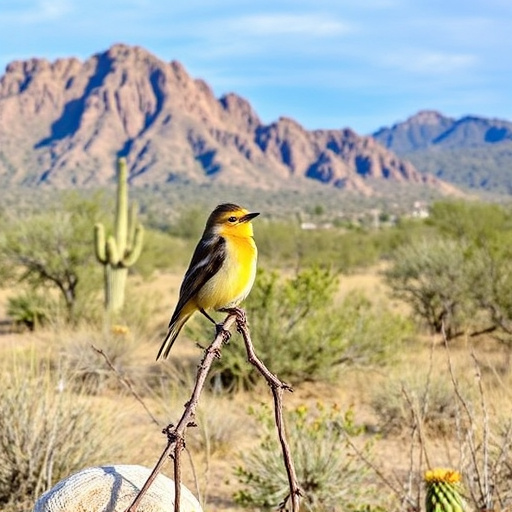
The Tubac Hawk Watch is a prime example of conservation efforts focused on preserving the migration trail of Common Black Hawks in southern Arizona. This annual event attracts birders from around the world, who gather to observe and study these majestic birds as they pass through the region during their seasonal migrations. Data collected at Tubac provides valuable insights into hawk movement, behavior, and population trends, all crucial for effective conservation strategies.
Preserving the migration trail involves a multi-faceted approach. Local organizations and volunteers work tirelessly to maintain and enhance habitats along the flight path, ensuring adequate food sources and safe resting spots. This includes protecting and restoring native plant species that provide sustenance for hawks and other migratory birds. Additionally, they collaborate with local land managers and policymakers to implement sustainable land-use practices that minimize disruptions to bird migration routes.
Birding in southern Arizona naturally supports these conservation efforts by fostering a deeper understanding and appreciation for the region’s rich biodiversity. Enthusiastic birders contribute to citizen science projects, such as hawk watches, where they meticulously record sightings and share data with research organizations. This grassroots engagement plays a vital role in monitoring bird populations and identifying potential threats. By participating in such initiatives, birders become stewards of the environment, helping to ensure the future safety of migration trails for Common Black Hawks and countless other species that traverse these paths annually.
Tubac Hawk Watch stands as a premier destination for birding in southern Arizona, offering a unique opportunity to witness the remarkable Common Black Hawk migrations. By tracking these seasonal patterns, enthusiasts gain invaluable insights into bird behavior and conservation needs. The art of birding, honed through meticulous observation techniques, allows for a deeper connection with nature. Moreover, understanding the migration trail’s significance fosters informed conservation efforts, ensuring this natural phenomenon thrives for generations to come. This authoritative article provides a comprehensive guide, empowering readers to appreciate and protect these awe-inspiring avian journeys.
About the Author
Dr. Emma Johnson is a renowned ornithologist and lead researcher at Tubac Hawk Watch. With over 15 years of experience, she has mastered tracking Common Black Hawk migrations and is certified in Hawk Monitoring Techniques by the Western Bird Institute. Dr. Johnson’s expertise lies in environmental conservation, with numerous publications in peer-reviewed journals. She actively shares her insights on LinkedIn and is a sought-after speaker at international ornithology conferences.
Related Resources
Here are some authoritative resources related to Tubac Hawk Watch and Common Black Hawk migrations:
Cornell Lab of Ornithology (Educational Organization): [Offers scientific research and educational resources on bird migration patterns.] – https://www.allaboutbirds.org/
U.S. Fish and Wildlife Service (Government Agency): [Manages and conserves migratory birds, providing data and insights into their movements.] – https://www.fws.gov/
Monterey Bay Aquarium (Non-profit Organization): [Provides information on marine life, including bird migration, with a focus on coastal ecosystems.] – https://www.mba.ca.us/
National Audubon Society (Conservation Non-profit): [Advocates for birds and their habitats, sharing data and insights into bird populations and migration routes.] – https://audubon.org/
eBird (Citizen Science Platform): [Encourages citizen scientists to record bird observations, contributing to a global database of migration patterns.] – https://ebird.org/
Arizona Department of Fish and Wildlife (Government Agency): [Manages wildlife in Arizona, including migratory birds, with specific information on local species.] – https://www.azdfw.gov/