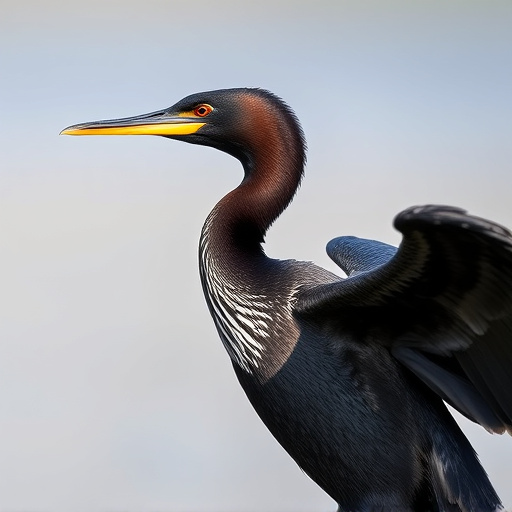
Kino Springs ponds in southern Arizona offer premier birding experiences, globally renowned for their diverse ecosystems and Neotropic Cormorant habitats. Birding enthusiasts find ideal opportunities for observation and photography during the breeding season, with accessible locations and year-round avian activity. The local community promotes sustainable practices through guided trips, enhancing both visitor experiences and ecosystem preservation. Essential equipment includes telephoto lenses and a tripod for optimal photo capture in varying light conditions, showcasing southern Arizona's avian diversity.
The Kino Springs ponds in southern Arizona have long been a haven for birding enthusiasts and nature photographers alike, particularly those seeking to capture the elusive Neotropic Cormorant. This region’s unique ecosystem attracts a diverse array of bird species, making it a premier location for birders from around the world. However, the increasing popularity has put a strain on the delicate balance of this natural habitat. This article delves into the challenges posed by excessive photography activity and explores strategies to enhance the visitor experience while preserving the ecological integrity that draws both photographers and birds, ensuring Kino Springs remains a vibrant destination for birding in southern Arizona.
- Neotropic Cormorants: Southern Arizona's Waterfowl Draw Birders
- Kino Springs Ponds: A Birder's Paradise in the Desert
- Photography Opportunities: Capturing Cormorants in Natural Habitat
Neotropic Cormorants: Southern Arizona's Waterfowl Draw Birders

Southern Arizona’s diverse ecosystems, particularly its pristine water bodies, have long been a magnet for birding enthusiasts from around the world. Among these natural attractions are the Kino Springs ponds, which have emerged as a premier destination for observing one of North America’s most striking waterfowl: the Neotropic Cormorant. These elegant birds, known for their distinctive plumage and fishing prowess, draw photographers and birdwatchers alike to the area, creating a thriving birding community centered around these serene aquatic habitats.
The Kino Springs ponds, nestled in the heart of southern Arizona, offer a unique blend of open water, shore zones, and surrounding forests, providing an ideal environment for Neotropic Cormorants. This species, with its vibrant black and white plumage during breeding season, is particularly drawn to these areas due to the abundant fishing opportunities and relatively undisturbed habitats. Birding in southern Arizona naturally benefits from this symbiotic relationship, as visitors can observe these birds in their natural setting while contributing to local conservation efforts.
Photographers, in particular, find the Neotropic Cormorants a captivating subject. Their diving and fishing behaviors, often executed with remarkable precision and grace, offer endless photo opportunities. Local birding groups and photography clubs regularly organize trips to the Kino Springs ponds, providing visitors with expert guidance on the best times and locations to capture these feathered beauties. This collaborative approach not only enhances the birding experience but also ensures sustainable practices that preserve the natural balance of these ecosystems for future generations.
Kino Springs Ponds: A Birder's Paradise in the Desert

Kino Springs Ponds, nestled amidst the arid landscapes of southern Arizona, stand as a rare gem for birders seeking diverse avian life in an unexpected desert setting. This unique oasis attracts neotropic cormorants and a plethora of other bird species, making it a photographer’s paradise and a birder’s dream destination. The ponds, with their shimmering waters and surrounding lush vegetation, create a microclimate that supports a rich variety of birds, particularly during their migratory seasons.
Birding in southern Arizona naturally flourishes around these man-made springs, which provide critical habitats for various bird species. The neotropic cormorants, known for their striking plumage and fishing prowess, are a highlight for photographers and birdwatchers alike. These ponds serve as rest stops and feeding grounds during their lengthy migrations, offering ample opportunities to capture breathtaking aerial shots of these graceful birds in flight. Beyond the cormorants, birders can expect to observe a diverse array of waterfowl, including mallards, ducks, and even rare species like the American Coot. The surrounding desert scrub provides habitat for desert-dwelling birds such as the Northern Mockingbird and the Western Scrub-Jay, allowing visitors to experience the full breadth of Arizona’s avian diversity.
For enthusiasts seeking to enhance their birding experience, Kino Springs Ponds offer several practical advantages. The ponds are easily accessible, located near popular birding routes, making them a convenient stop for travelers exploring southern Arizona’s rich biodiversity. Moreover, the area’s mild climate allows year-round birding, ensuring consistent opportunities to observe these fascinating creatures. Local bird clubs and conservation organizations also play a vital role in fostering a sense of community among birders, hosting events and providing expert guidance to visitors eager to delve into the region’s natural wonders.
Photography Opportunities: Capturing Cormorants in Natural Habitat

Kino Springs ponds offer birding enthusiasts in southern Arizona a unique opportunity to observe and photograph Neotropic Cormorants in their natural habitat. These water bodies, nestled amidst the scenic landscape of the region, serve as a magnet for birdwatchers and photographers alike, who come to capture the elegance and grace of these aquatic birds. The Neotropic Cormorant, with its distinctive plumage and fishing prowess, provides ample subject matter for photography enthusiasts.
The natural setting at Kino Springs presents an ideal environment for capturing high-quality images of Cormorants. During the morning and late afternoon hours, when light conditions are optimal, photographers can expect to find these birds sunning themselves on rocks or floating effortlessly on the water’s surface. The reflective properties of the ponds create stunning backgrounds, enhancing the visual appeal of the photographs. In terms of composition, capturing the Cormorants in their natural element—mid-flight, diving for fish, or interacting with other birds—can yield breathtaking images that tell a story about these remarkable creatures.
Practical insights for photographers include bringing telephoto lenses to bridge the distance between you and the subject. A tripod can also be beneficial for stabilizing your camera during low-light conditions. Remember to respect the birds’ space, using telephoto lenses allows for closer observations without disturbing their natural behavior. Additionally, birding in southern Arizona naturally requires patience and adaptability, as bird movements and lighting conditions can change rapidly. Keep an eye out for unique behaviors or interactions between the Cormorants, these moments can provide once-in-a-lifetime photo opportunities.
The Kino Springs ponds in southern Arizona stand as a testament to the region’s unique birding ecosystem, attracting Neotropic Cormorants and offering birders and photographers an unparalleled opportunity to observe these waterfoul species in their natural habitat. This article has illuminated several key insights: the importance of preserving and exploring desert birding hotspots like Kino Springs, the value of photography as a tool for appreciating and documenting these environments, and the specific techniques needed to capture stunning images of Neotropic Cormorants. By embracing birding in southern Arizona’s naturally diverse landscapes, enthusiasts can contribute to conservation efforts while enjoying rich experiences that highlight the region’s indelible beauty and biodiversity.