
Tubac Hawk Watch, southern Arizona, is a premier birding destination renowned for its Common Black Hawk migration observations. Located along key flight paths, this conservation area attracts global raptor enthusiasts during peak seasons. Local ornithologists' research and guided tours provide insights into hawk behavior and habitat needs. Sustainable birding practices, such as optimal visit times and responsible viewing, ensure both bird preservation and enhanced experiences while contributing to the preservation of diverse migratory bird habitats in southern Arizona.
Tubac Hawk Watch stands as a beacon for birding enthusiasts in southern Arizona, meticulously tracking the annual migration patterns of Common Black Hawks. This endeavor is paramount, given these hawks’ vulnerability to habitat loss and climate change, posing significant challenges to their conservation. The watch’s methodical approach—combining citizen science with expert observation—provides invaluable data crucial for informing protective measures. By fostering collaboration between researchers, conservators, and passionate birders, Tubac Hawk Watch ensures that our feathered neighbors receive the stewardship they deserve, ultimately enhancing the rich biodiversity of southern Arizona’s natural landscape.
- Tubac Hawk Watch: A Birder's Paradise in Southern Arizona
- Tracking Common Black Hawks: Migration Patterns Unveiled
- Engaging in Sustainable Birding Practices at Tubac Hawk Watch
Tubac Hawk Watch: A Birder's Paradise in Southern Arizona

Tubac Hawk Watch is a renowned birder’s paradise nestled in the scenic mountains of southern Arizona. This unique conservation area serves as a critical stopover point for Common Black Hawks during their annual migrations, offering birders an unparalleled opportunity to observe these majestic birds up close. The watch site is strategically located along a major flight path, making it a hot spot for raptor enthusiasts from around the world.
The Common Black Hawk’s migration patterns have been meticulously documented over the years, providing valuable insights into their behavior and habitat needs. According to research by local ornithologists, these hawks typically begin their northward journey in early spring, reaching peak migration in late summer. During this period, Tubac Hawk Watch transforms into a vibrant tapestry of bird activity. Observers can witness not only Common Black Hawks but also a diverse array of other raptor species, including Red-tailed Hawks and Golden Eagles. This rich biodiversity makes birding in southern Arizona naturally appealing, as enthusiasts have the chance to see these birds in their natural habitat.
For birders visiting Tubac Hawk Watch, the experience extends beyond mere observation. Many volunteers and staff members are experienced birders themselves, eager to share their knowledge and enhance visitors’ understanding of raptor ecology. They conduct guided tours, offering insights into migration patterns, bird identification, and conservation efforts. These educational experiences make the site not just a place to observe birds but also a hub for learning and appreciation of southern Arizona’s unique avian life.
To maximize your chances of catching a glimpse of these impressive hawks, birders are advised to visit during peak migration seasons. Early morning and late afternoon tend to be the most active times, as birds feed and rest in the warmer temperatures. Additionally, staying patient and quiet allows for better observation, ensuring you don’t disturb these magnificent creatures or their habitat. Tubac Hawk Watch truly stands as a testament to the power of conservation efforts and the rich natural landscape that birders from all corners of the globe come to admire.
Tracking Common Black Hawks: Migration Patterns Unveiled

Tubac Hawk Watch, nestled in the vibrant birding hotspot of southern Arizona, offers a unique opportunity to witness one of nature’s most captivating spectacles: the Common Black Hawk migration. This annual event draws enthusiasts and experts alike who come to track and study these majestic birds as they navigate across vast distances. The watch is not just about observing; it’s a scientific endeavor that provides invaluable insights into the migration patterns of this species, shedding light on their behavior and adaptations.
The Common Black Hawk (Buteo jamacis) is renowned for its impressive aerial displays during migration. Observers can witness these hawks soaring on thermals, their wings spread wide, catching the rising air currents with graceful efficiency. This efficient flight style allows them to cover tremendous distances without exerting excessive energy, a crucial adaptation for such an extensive journey. Data collected by Tubac Hawk Watch has revealed consistent patterns where the hawks tend to follow specific routes, often utilizing topographical features like mountains and valleys as navigation aids. This knowledge is not merely academic; it helps in the development of conservation strategies, ensuring safe passage for these birds across urban and agricultural landscapes.
Over the years, the watch has contributed substantial data on migration timing and stopover patterns. It’s found that Common Black Hawks typically begin their northward migration in early spring, with peak arrival at Tubac occurring in late March or early April. During this time, birders can witness the hawks resting in open fields and gathering energy before continuing their journey to breeding grounds further north. Understanding these stopover sites and their importance is crucial for preserving habitats that support such a diverse range of migratory birds. This involves practical actions like advocating for sustainable land use practices and supporting initiatives focused on protecting key migration corridors, ensuring the continued success of Tubac Hawk Watch as a research and birding hub.
Engaging in Sustainable Birding Practices at Tubac Hawk Watch
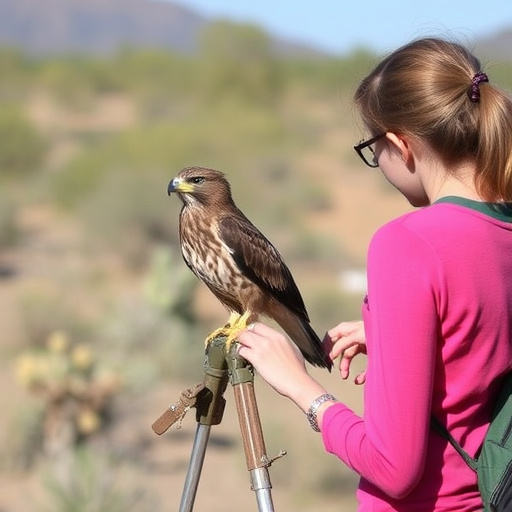
Tubac Hawk Watch, located in southern Arizona, is a premier destination for bird enthusiasts and researchers alike, offering a unique opportunity to witness one of nature’s most remarkable events: the Common Black Hawk migration. This annual spectacle draws attention to the region as birders from around the world gather to observe these majestic birds in their natural habitat. Engaging in sustainable birding practices here is not only an ethical responsibility but also ensures visitors can enjoy this phenomenon for generations to come.
The area’s diverse landscape, characterized by a mix of desert scrub and mountain ranges, provides ideal nesting grounds and rest stops for the Common Black Hawks during their long-distance journey. Tubac Hawk Watch leverages this natural setting to promote responsible birding techniques. By educating visitors on minimizing disruption to the birds’ habitat and implementing quiet zones, the watch helps reduce stress on the migrating hawks. This approach not only conserves the birds’ energy but also enhances the overall experience for observers, allowing them to witness close-up views of these powerful predators without causing harm.
Practical insights for sustainable birding include arriving early or late in the day when bird activity is highest and least likely to disturb their rest periods; maintaining a distance from feeding areas to avoid flushing birds; and using binoculars rather than telescopes to reduce noise and impact. Additionally, experts at Tubac Hawk Watch encourage visitors to engage with local conservation efforts and support organizations dedicated to preserving the habitat that makes birding in southern Arizona so spectacular. By adopting these practices, birdwatchers can contribute positively to the preservation of Common Black Hawk populations while enjoying one of nature’s most captivating spectacles.
Tubac Hawk Watch stands as a premier destination for birding in southern Arizona, offering unparalleled opportunities to observe and study Common Black Hawks during their migrations. By combining detailed tracking data with sustainable birding practices, this site contributes significantly to our understanding of these birds’ complex patterns. For enthusiasts and researchers alike, the insights gained from Tubac Hawk Watch provide a foundation for further exploration and conservation efforts. Practical next steps include adopting sustainable birding techniques, supporting local conservation initiatives, and encouraging others to engage responsibly with Arizona’s rich avian ecosystem.