
Botteri's Sparrow territorial displays in southern Arizona's grasslands offer a unique birding experience. Timing is crucial (early mornings/late afternoons), and responsible practices like stealthy observation enhance the experience. These sparrows are key indicators of ecological health, providing insights into population trends and conservation success. Birding enthusiasts contribute by participating in guided tours and adopting quiet observation practices, thereby protecting both Botteri's Sparrows and regional avian biodiversity.
The Sonoran Desert’s grasslands are a vital habitat for numerous bird species, making birding in southern Arizona a popular activity. Among these, Botteri’s Sparrow displays unique territorial behaviors that offer valuable insights into the ecological dynamics of the region. However, human activities and climate change pose significant threats to their natural habitats. This article delves into the meticulous monitoring techniques employed by researchers studying Botteri’s Sparrow territorial displays in the Sonoita grasslands. By exploring these behaviors, we gain crucial knowledge about the bird’s ecology and contribute to effective conservation strategies for this and other desert species.
- Unveiling Botteri’s Sparrow Behavior in Sonoita Grasslands
- Observing Territorial Displays: A Birder's Guide
- Southern Arizona's Natural Haven for Birding: Key Insights
Unveiling Botteri’s Sparrow Behavior in Sonoita Grasslands

Botteri’s Sparrow (Zonotichia obsoleta), a rare and elusive species, exhibits striking territorial displays within the Sonoita grasslands of southern Arizona. This habitat, known for its vibrant birdlife, provides a unique opportunity to observe these intricate behaviors. During the breeding season, male Botteri’s Sparrows engage in energetic song and flight displays, aiming to attract mates and defend their territories. Researchers have documented these behaviors extensively, recording males performing elaborate aerial maneuvers, including high-flying pirouettes and dive chases, all while producing a distinctive, far-carrying song.
The grasslands of Sonoita offer an ideal environment for these sparrows due to its open vegetation structure and abundant food sources. Birding enthusiasts in the region naturally seek out these areas, hoping to catch a glimpse of this elusive species. Understanding the specific habitat preferences and behavioral patterns can significantly enhance the birding experience. For instance, visitors are advised to arrive early in the morning when males are most active, engaging in their vibrant displays to assert dominance over their chosen territories.
Observing Botteri’s Sparrow territorial displays provides a fascinating insight into the natural world, showcasing the species’ adaptability and resilience. This knowledge not only enriches the birding experience but also contributes to ongoing conservation efforts. By studying these behaviors and habitats, researchers can develop strategies to protect and preserve this delicate ecosystem, ensuring that both common and rare bird species thrive in southern Arizona’s unique landscapes.
Observing Territorial Displays: A Birder's Guide
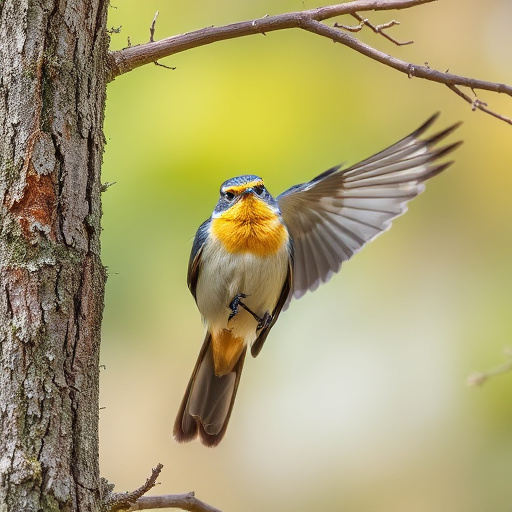
Observing Botteri’s Sparrow territorial displays offers a unique glimpse into the intricate dynamics of bird behavior, particularly in the vast grasslands of southern Arizona. As a dedicated birder, understanding these displays is not just a treat for your eyes but also deepens your connection to this region’s natural history. The grasslands provide an ideal habitat for Botteri’s Sparrows, and their territorial behaviors are a key aspect of birding in this area. During the breeding season, males establish and defend territories, often displaying remarkable agility and vocalizations to attract mates and deter rivals.
These displays typically occur near open water sources or areas with dense vegetation providing shelter from predators. Birder’s guides should note that the male sparrows perform elaborate courtship rituals involving song, wing-flashing, and even mimicking other bird species to impress potential mates. The most striking behavior is the “dancing” display, where the male spins rapidly on his feet while singing loudly, a spectacle that captivates both human observers and potential partners alike. This ritual not only serves as a mating strategy but also reinforces social bonds within the sparrow community.
For birders, timing is crucial to witness these displays effectively. Early morning or late afternoon hours are often best when birds are most active. Using binoculars and a field guide specific to southern Arizona’s avian species can enhance your experience. Remember, patience and stealth are essential; allowing sparrows to engage in their natural behaviors undisturbed provides the clearest observations. By studying these territorial displays, birders not only contribute to local biodiversity research but also gain a deeper appreciation for the intricate dance of life in the Sonoran grasslands.
Southern Arizona's Natural Haven for Birding: Key Insights
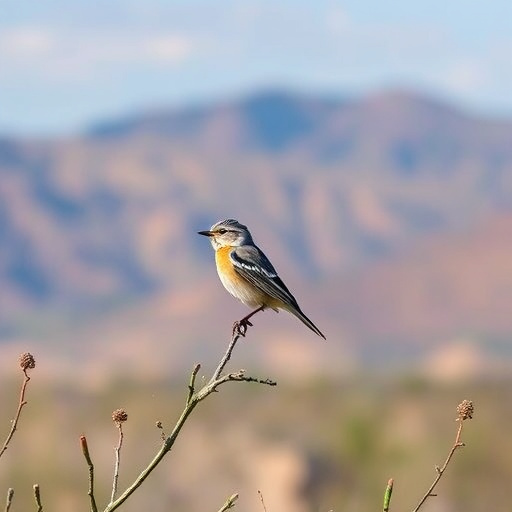
Southern Arizona’s diverse ecosystems, particularly its expansive grasslands, serve as a natural haven for birding enthusiasts. Among the resident species, Botteri’s Sparrow (Zonotropis botterii) stands out for its intricate territorial displays, offering researchers and birdwatchers alike a fascinating glimpse into avian behavior. These grasslands, characterized by their lush vegetation and open skies, provide an ideal environment for a variety of bird species to thrive, with Botteri’s Sparrows being a key component of this rich biodiversity.
The monitoring of Botteri’s Sparrow territorial displays in Sonoita grasslands provides critical insights into the ecological health of this region. Studies have shown that these sparrows are highly sensitive to changes in their habitat, making them excellent indicators of environmental shifts. By observing and recording their vocalizations, courtship rituals, and nesting behaviors, researchers can track population trends, identify potential threats, and gauge the effectiveness of conservation efforts. This data is invaluable for understanding the broader impacts of climate change and land-use practices on birding hotspots like southern Arizona.
For birdwatchers looking to experience this natural wonder, engaging in birding activities such as quiet observation, note-taking, and photography during peak seasons (typically spring and fall) can significantly enhance their appreciation of the area’s biodiversity. Local wildlife sanctuaries and nature reserves often host guided tours, offering educational opportunities while minimizing disturbance to these delicate habitats. By participating in responsible birding practices, visitors contribute to the long-term preservation of not only Botteri’s Sparrows but also the vast array of other avian species that call this southern Arizona haven home.
The article offers a comprehensive insight into Botteri’s Sparrow territorial displays within the Sonoita grasslands, highlighting the unique behavior of this species in its natural habitat. Key learnings include the importance of observing these delicate interactions for birders, as it enhances their experience in southern Arizona’s renowned birding hotspots. Understanding and appreciating these displays contribute to conservation efforts, ensuring the preservation of this vibrant ecosystem and its avifauna. Practical applications arise for researchers and enthusiasts alike, encouraging responsible observation practices that minimize disturbance while maximizing scientific value. This knowledge ultimately enriches our connection with nature and fosters a deeper appreciation for the intricate dynamics of bird behavior in their natural settings.