Category: Birding Southern Arizona

Birding Southern Arizona: A Comprehensive Exploration
Introduction
Southern Arizona, with its diverse ecosystems and breathtaking landscapes, has long been a haven for bird enthusiasts and nature lovers alike. Birding, the activity of observing and studying birds in their natural habitats, has flourished in this region, attracting both local and international visitors. This article delves into the vibrant world of birding in Southern Arizona, exploring its unique characteristics, global significance, and the various factors that shape this captivating hobby and industry. Get ready to embark on a journey through diverse bird species, thriving ecosystems, and the cultural impact this region has on the global birding community.
Understanding Birding in Southern Arizona
Definition: Birding, in its essence, is the act of observing and identifying birds in their natural settings. It involves a keen eye for detail, an extensive knowledge of bird behaviors and species, and a deep appreciation for nature. In Southern Arizona, birding takes on a unique dimension due to the region’s remarkable biodiversity and diverse habitats.
Core Components:
- Bird Species Diversity: Southern Arizona boasts over 450 species of birds, making it a hotspot for avian diversity in North America. This includes year-round residents, migratory visitors, and rare vagrants. The region’s unique mix of desert, mountain, and riparian habitats provides ideal nesting and feeding grounds for these diverse bird populations.
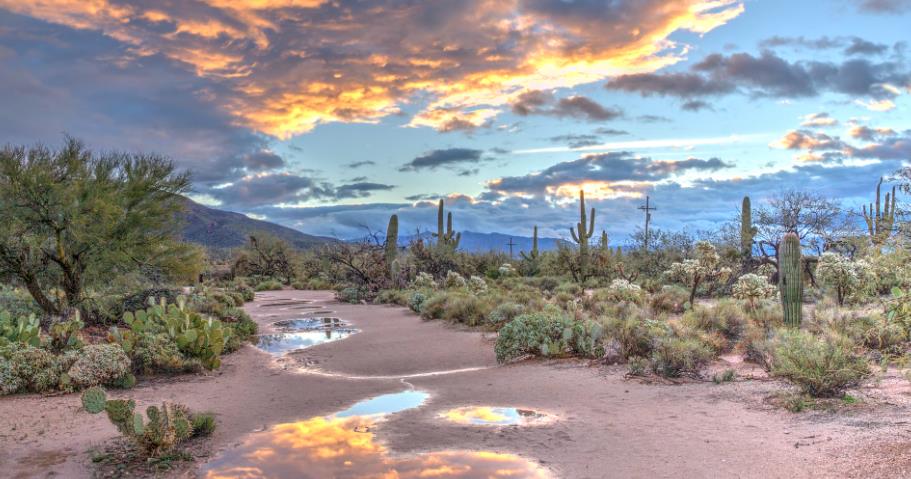
- Habitat Variety: From arid deserts to lush forests, Southern Arizona offers a wide range of habitats. These include the Sonoran Desert, with its iconic saguaro cacti; the Santa Catalina Mountains, home to pine-covered peaks; and the riparian zones along rivers like the Santa Cruz River. Each habitat supports distinct bird species and contributes to the region’s overall ecological richness.
- Observation Sites: The state is dotted with numerous birding hotspots, including national parks, wildlife refuges, and conservation areas. Popular sites include Saguaro National Park, Catalina State Park, and the Sonoran Desert National Monument. These locations offer visitors excellent opportunities to observe birds in their natural settings and contribute to scientific research through citizen science projects.
Historical Context: Birding has a rich history in Southern Arizona, dating back to the late 19th century when early naturalists and ornithologists began documenting the region’s bird life. Over time, the hobby gained popularity among local residents and visitors alike, leading to the development of organized birding groups, field guides, and conservation efforts. The establishment of several national parks and wildlife refuges in the 20th century further solidified Southern Arizona as a premier birding destination.
Global Impact and Trends
Southern Arizona’s birding scene is not merely a local phenomenon; it has global implications and contributes to international trends in ornithology and conservation. Here’s how:
- International Birding Tourism: The region attracts birders from around the world, particularly during migration seasons when rare species can be spotted. According to a 2020 study by the Arizona Office of Tourism, birdwatching contributes approximately $37 million to the state’s economy annually, with many visitors traveling specifically for birding experiences.
- Conservation Research: Southern Arizona serves as a vital research ground for ornithologists and conservationists. The region’s diverse habitats provide valuable insights into bird behavior, migration patterns, and climate change impacts. Scientists from institutions like the Cornell Lab of Ornithology and the National Audubon Society frequently conduct studies here, utilizing citizen science data collected by local birders.
- Global Species Distribution: Many bird species found in Southern Arizona are part of broader migratory patterns that span continents. For example, the iconic Gila Woodpecker is a year-round resident and a key species in the region’s ecosystem. However, its range extends across North and South America, making observations here integral to global ornithological knowledge.
Trends Shaping Birding:
- Citizen Science: The rise of citizen science projects has significantly impacted birding worldwide. Local birders contribute to global datasets by recording bird sightings, which aids in species distribution mapping, migration studies, and conservation planning.
- Digital Birding Tools: Technological advancements have revolutionized birding through mobile apps and online platforms. These tools enable real-time sharing of bird sightings, identification assistance, and community engagement, fostering a more connected birding community.
- Sustainable Tourism: There is a growing emphasis on promoting sustainable birding practices to minimize environmental impact. This includes responsible visitor management, habitat conservation efforts, and education initiatives aimed at ensuring the long-term accessibility of birding sites.
Economic Considerations
The economic implications of birding in Southern Arizona are multifaceted and contribute to the region’s overall economic vitality.
Market Dynamics:
- Tourism: As mentioned, birdwatching tourism is a significant contributor to the local economy. Visitors spend money on accommodations, food, transportation, and gear, supporting a range of businesses from hotels and restaurants to outdoor equipment stores and tour operators.
- Retail and Services: Birding-related merchandise, such as field guides, binoculars, and bird feeders, fuels a dedicated retail market. Additionally, services like guided tours, nature photography expeditions, and birding workshops attract customers, creating employment opportunities.
Employment and Businesses:
- The birding industry supports various jobs, from park rangers and wildlife biologists to tour guides, photographers, and owners of outdoor shops. Many local businesses cater specifically to birders, fostering a thriving ecotourism sector.
- According to the Arizona Ecotourism Council, ecotourism, including birding activities, contributes over $1 billion to the state’s economy annually and supports thousands of jobs.
Conservation and Economic Linkage: The economic value of birding also underscores the importance of habitat conservation. Protected areas and conservation initiatives ensure the preservation of bird habitats, which in turn attracts birders and generates revenue for local communities.
Birder Communities and Social Impact
Birding has fostered vibrant communities of enthusiasts who come together to share their passion for birds and contribute to conservation efforts.
- Local Clubs and Organizations: Southern Arizona is home to numerous birding clubs, such as the Tucson Birding Society and the Phoenix Birding Club, which organize field trips, workshops, and social events. These groups provide a sense of community and encourage the exchange of knowledge among members.
- International Connections: Local birders often collaborate with international organizations and participate in global initiatives. For instance, they contribute to eBird, a real-time bird sighting database operated by the Cornell Lab of Ornithology, which connects birders worldwide.
- Conservation Advocacy: Birding communities actively promote conservation efforts, raising awareness about habitat loss, pollution, and climate change impacts on bird populations. They participate in local and regional conservation campaigns, advocating for policies that protect sensitive habitats.
Challenges and Future Outlook
While birding in Southern Arizona offers countless benefits, the region also faces challenges that require proactive solutions.
Challenges:
- Habitat Loss: Urban expansion and development threaten critical bird habitats, particularly in edge zones between urban areas and natural landscapes. Balancing conservation and growth is essential to preserving birding opportunities.
- Climate Change: Changing climate patterns impact bird migration and distribution. Extreme weather events can disrupt breeding cycles and alter the timing of migrations, presenting challenges for birders and researchers alike.
- Human-Wildlife Conflict: As bird populations thrive, conflicts with humans over food sources or nesting areas may arise, particularly in urban settings. Educating the public about coexisting with wildlife is crucial to resolving these issues.
Future Outlook:
The future of birding in Southern Arizona appears promising due to several factors:
- Conservation Efforts: Local and national organizations are dedicated to protecting habitats and managing resources sustainably. Initiatives like the Sonoran Desert Conservation Plan aim to preserve key bird habitats while promoting responsible land use.
- Technological Advancements: Digital tools and platforms will continue to enhance the birding experience, improving identification accuracy and enabling more efficient data collection for research.
- Community Engagement: By involving local communities in birding activities and conservation efforts, the region can foster a deeper connection between residents and their natural environment, ensuring the long-term appreciation and protection of bird life.
Conclusion
Birding in Southern Arizona is a vibrant and dynamic aspect of the region’s cultural and natural heritage. It offers a unique blend of ecological diversity, economic opportunities, and social engagement. As global attention on conservation and sustainable tourism grows, the state’s birding community plays a vital role in shaping the future of this captivating hobby while safeguarding the remarkable bird life that calls Southern Arizona home.
Birder’s Paradise: Hummingbirds of Southern Arizona’s Ramsey Canyon
Sycamores & Trogons: Birding Secrets of Southern Arizona’s Ramsey Preserve
Ramsey Preserve in southern Arizona is a premier birding destination renowned for its diverse ecosys…….
Patagonia Roadside Rest: Paradise for Thin-billed Kingbirds in Arizona
Patagonia Roadside Rest in southern Arizona is a premier birding destination renowned for thick-bill…….
Birder’s Quest: Spot Mexican Chickadee in Southern Arizona Conifers
The Mexican Chickadee (Poecile rufesscutatus) is a sought-after species for birders in southern Ariz…….
Mount Lemmon: Birding Paradise Across Six Biomes in Arizona
Mount Lemmon Sky Island in southern Arizona offers exceptional birding with six distinct biomes supp…….
Santa Rita Lodge: Birder’s Haven for Painted Redstarts in Arizona
Santa Rita Lodge in southern Arizona is a premier birding destination known for its diverse avian li…….
Vermilion Flycatchers: Birding Treasures of Southern Arizona Canyonlands
Sabino Canyon, southern Arizona, is a premier birding destination known for its diverse avian popula…….
Huachuca Mountains: Birding Haven for Hummingbird Enthusiasts
The Huachuca Mountains in southern Arizona are a premier birding destination, especially for humming…….
Birder’s Paradise: Ramsey Canyon’s Hummingbird Haven in AZ
Southern Arizona is a premier birding destination known for its diverse hummingbird population&mdash…….