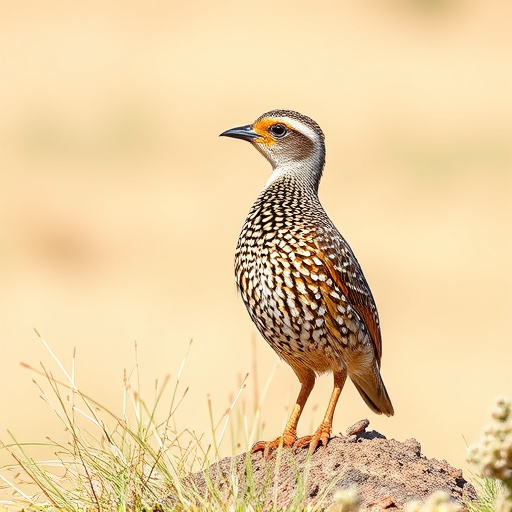
Birding in southern Arizona naturally thrives in the Chiricahua Mountains due to their unique ecosystem, especially accommodating Montezuma Quail. Spring and early summer offer prime viewing of these birds' courtship rituals. Respectful birding practices and local guides enhance experiences while conservation efforts protect critical habitats like oak grasslands. Protecting these ecosystems ensures a flourishing birding scene and ecological balance for future generations.
The Chiricahua Mountains, nestled in southern Arizona, present a captivating ecosystem for birding enthusiasts, particularly those interested in the elusive Montezuma Quail. These oak grasslands serve as a vital habitat, drawing birdwatchers from around the globe eager to witness this species' intricate dance with nature. However, human activities and climate change pose significant challenges to this delicate balance. This article delves into the intricacies of managing birding experiences while safeguarding the quails' home, offering insights that could be pivotal in preserving this natural wonder for future generations of both birdwatchers and wildlife enthusiasts in southern Arizona.
- Exploring the Chiricahua Mountains: Habitat for Montezuma Quail
- Birding in Southern Arizona: Discovering the Montezuma Quail
- Oak Grasslands and Their Role in Quail Conservation
- The Significance of Protecting Montezuma Quail Populations
Exploring the Chiricahua Mountains: Habitat for Montezuma Quail

The Chiricahua Mountains, a rugged and captivating range in southern Arizona, offer more than just breathtaking landscapes; they serve as a vital sanctuary for various avian species, including the charismatic Montezuma Quail. This region's unique ecology, characterized by oak grasslands and mesquite forests, provides an ideal environment for these ground-dwelling birds to thrive. Birding enthusiasts and conservationists alike find themselves drawn to this area, not only for its scenic beauty but also for the opportunity to observe these elusive quails in their natural habitat.
Exploring the Chiricahua Mountains allows visitors to immerse themselves in a diverse ecosystem where Montezuma Quail have adapted remarkably. These quails, known for their distinctive call and vibrant plumage during breeding season, prefer open grasslands and scrubby vegetation, which abounds in this part of Arizona. The mountains' varied terrain, including steep slopes and flat meadows, creates microhabitats that support substantial populations of these birds. According to the Arizona Game and Fish Department, the Chiricahua region is one of the best spots in the state for birding, particularly for those seeking Montezuma Quail sightings.
For those interested in observing this species, a strategic approach to birding is essential. Spring and early summer months are prime times to spot males displaying their vibrant colors during courtship rituals. Early morning or late afternoon hours tend to be the most active periods for quails, so these times offer optimal viewing opportunities. Additionally, following established trails and maintaining a distance that allows natural behavior without disturbing them ensures a respectful and rewarding experience. Local birding guides and conservation organizations can provide valuable insights into the best locations within the Chiricahua Mountains to enhance one's chances of encountering these fascinating birds in their natural habitat.
Birding in Southern Arizona: Discovering the Montezuma Quail

The Chiricahua Mountains, a rugged and enchanting range in southern Arizona, offer more than just breathtaking landscapes; they serve as a vital sanctuary for various avian species, including the elusive Montezuma Quail. This region is a birder's paradise, naturally attracting enthusiasts from around the world seeking to witness the unique wildlife that calls these oak grasslands home. Birding in southern Arizona becomes an immersive experience when exploring this particular ecosystem.
Montezuma Quails (Callipepla montanus) are a native species well-adapted to the mountainous terrain and adjacent grasslands. Their distinct appearance, characterized by rich brown plumage, black spots, and a distinctive topknot, makes them instantly recognizable. These birds prefer open habitats, often found in oak woodlands and scrublands, which provides an ideal environment for birding enthusiasts to observe them in their natural setting. During the spring and early summer months, birders can witness the males' elaborate courtship displays, including intricate dances and vocalizations, making it a truly memorable birding experience.
To enhance your chances of encountering these elusive quails, experienced birders recommend exploring the region during dawn or dusk when Montezuma Quails are most active. The Chiricahua Mountains offer numerous hiking trails that wind through lush grasslands and provide optimal conditions for birdwatching. Local wildlife guides and conservationists also organize guided tours, ensuring participants have the opportunity to observe not only Montezuma Quails but a diverse array of other bird species, including several migratory visitors. By engaging with these expert-led birding excursions, visitors can gain valuable insights into the region's ecology while contributing to its preservation.
Oak Grasslands and Their Role in Quail Conservation

The Chiricahua Mountains, a rugged and scenic landscape in southern Arizona, play host to a diverse array of wildlife, including one of North America's most beloved game birds—the Montezuma Quail. These mountains are particularly renowned for their expansive oak grasslands, which serve as critical habitat for the quails and numerous other species. Birding enthusiasts and conservationists alike recognize this region as a hotspot for birdlife, offering unique opportunities to observe these elusive creatures in their natural setting.
Oak grasslands, characterized by dense stands of mixed oak species and an understory of grasses and forbs, are essential ecosystems for Montezuma Quail conservation. These habitats provide year-round food sources, shelter from predators, and nesting sites, fostering robust populations of quails. In southern Arizona, where birding is a thriving activity, the preservation of these grasslands is a top priority. Scientists have documented that healthy oak grasslands support higher quail densities compared to other vegetation types, making them vital for maintaining sustainable quail populations.
Conserving and managing these ecosystems requires collaborative efforts from landowners, researchers, and local communities. Practical steps include implementing sustainable land-use practices, such as controlled grazing and prescribed burning, which mimic natural fire regimes and promote biodiversity. Additionally, protecting oak trees from excessive browsing pressure by wildlife like deer is crucial. Landowners can employ various techniques, including fence installation and strategic vegetation planting, to restore and maintain these quail habitats. By prioritizing the health of oak grasslands, birding in southern Arizona can continue to thrive, offering future generations the chance to witness and appreciate these remarkable birds in their natural, untouched settings.
The Significance of Protecting Montezuma Quail Populations

The Chiricahua Mountains, a rugged and picturesque landscape in southern Arizona, serve as a vital habitat for numerous bird species, among them the Montezuma Quail. These small, ground-dwelling birds are an integral part of the region's unique ecosystem and play a significant role in local birding experiences. The preservation of their populations is not merely an environmental concern but also a cultural and economic one, especially for the thriving birding community in southern Arizona.
Mountaineers and birders alike recognize the Montezuma Quail as an iconic species within the Chiricahua ecosystem. Their distinctive calls echo through the oak grasslands, providing a memorable experience for visitors engaging in birding in southern Arizona. However, this charming bird faces numerous threats, including habitat loss due to urbanization and development encroaching on their natural ranges. Protecting these quail populations is crucial not only for the ecological balance of the region but also for the economic benefits associated with wildlife tourism. Birder spending in southern Arizona contributes substantially to local economies, highlighting the potential for positive environmental conservation and community engagement.
To safeguard the Montezuma Quail, collaborative efforts are required. This includes implementing sustainable land-use practices, establishing protected habitats, and educating both residents and visitors about the importance of preserving these natural resources. By fostering a sense of stewardship among all stakeholders, it is possible to ensure that birding in southern Arizona remains a premier experience while also protecting the future of its unique avian inhabitants. These measures will not only preserve the quail's populations but also enhance the overall ecological resilience of the Chiricahua Mountains.
The Chiricahua Mountains, with their diverse ecosystems, serve as a vital habitat for the Montezuma Quail, showcasing the intricate balance between wildlife and their environment. Birding in southern Arizona offers enthusiasts a unique opportunity to observe these birds in their natural setting. The oak grasslands, a key component of this landscape, play a crucial role in the quail's conservation by providing essential food sources and nesting grounds. Understanding and safeguarding these habitats is paramount to ensuring healthy Montezuma Quail populations. By prioritizing the protection and restoration of these unique ecosystems, we can contribute to the long-term survival of these remarkable birds, making birding in southern Arizona even more enriching for generations to come.