
Birder's paradise, southern Arizona's Whitewater Draw hosts 20,000 sandhill cranes each winter, offering unparalleled birdwatching experiences. Ideal conditions attract diverse migratory species. Dawn and dusk are peak times for viewing. Local conservation efforts and guided tours enhance the experience while preserving this vital crane habitat.
The wintering grounds of Whitewater Draw in southern Arizona are a vital habitat for sandhill cranes, hosting up to 20,000 of these majestic birds annually, making it a birding hotspot naturally. However, this unique ecosystem faces challenges from human activities and climate change, threatening the cranes’ survival. This article delves into the intricate dynamics of these wintering grounds, exploring both the problems confronting them and innovative solutions that prioritize conservation efforts while fostering responsible birding experiences for enthusiasts in southern Arizona.
- Winter Haven: Exploring Whitewater Draw's Sanctuary for Cranes
- Sandhill Crane Migration: A Birder's Guide to Southern Arizona
- Conservation Efforts: Protecting Cranes in Their Southern Arizona Wintering Grounds
Winter Haven: Exploring Whitewater Draw's Sanctuary for Cranes
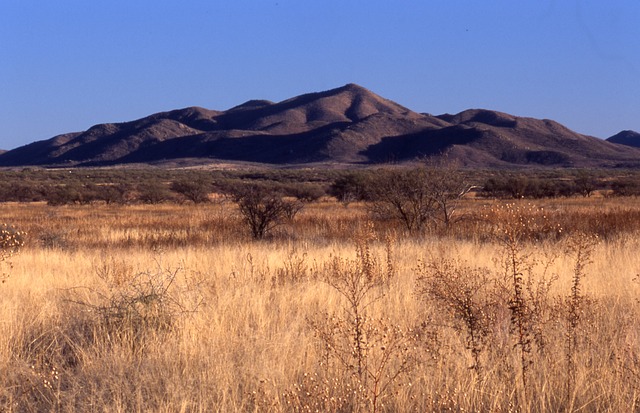
Whitewater Draw, nestled in southern Arizona’s scenic landscape, serves as an unparalleled winter haven for sandhill cranes, hosting up to 20,000 of these majestic birds each season. This vast, floodplain habitat provides a critical sanctuary where birding enthusiasts can witness these graceful creatures in their natural element. The area is renowned among ornithologists and birdwatchers alike for its consistent migration patterns and abundant food sources, attracting a diverse array of avian species.
The winter months transform Whitewater Draw into a vibrant, bustling ecosystem as cranes flock to the region, taking advantage of the fertile grounds and ample water resources. This phenomenon has not gone unnoticed by local communities and visitors alike, who gather each year to observe and appreciate this natural spectacle. Birding in southern Arizona becomes a premier experience at Whitewater Draw, offering opportunities to spot not only sandhill cranes but also other migratory birds such as the lesser sandhill crane, American avocets, and various species of ducks and geese.
Expert birders suggest exploring the area during dawn and dusk when bird activity is most intense. The serene atmosphere, combined with the unique topography, creates ideal conditions for observing these feathered migrants. Additionally, visitors can enhance their experience by engaging with local conservation efforts and participating in guided tours led by experienced naturalists who can provide valuable insights into the behavior and ecology of the cranes and other wildlife in the area.
Sandhill Crane Migration: A Birder's Guide to Southern Arizona

The Sandhill Crane’s annual migration to the Whitewater Draw wintering grounds in southern Arizona is a spectacle birders don’t want to miss. This region, renowned for its prime birdwatching opportunities, plays host to around 20,000 sandhill cranes during the cold months, making it one of the most significant gathering spots for these majestic birds in North America. Birding enthusiasts can expect to witness an awe-inspiring dance of nature as the cranes feed and rest in this vast, open habitat.
Southern Arizona’s climate and geography make it an ideal wintering ground for sandhill cranes. The region offers abundant water sources, including the Whitewater Draw itself, which provides crucial resources for these migratory birds. During their stay, birders can observe the cranes’ unique behaviors, such as their synchronized flights at dawn and dusk, creating a breathtaking aerial display. This period is particularly enriching for birdwatchers as it allows them to study the cranes’ intricate social dynamics up close.
For those eager to immerse themselves in this natural phenomenon, birding trips during winter months offer unparalleled experiences. Local tour operators and nature guides are well-versed in the best locations and times to view the cranes, ensuring a rewarding adventure. Additionally, many conservation areas and wildlife refuges around Whitewater Draw provide accessible viewpoints for observation. By embracing these opportunities, birders can contribute positively to the preservation of this vital habitat and the sandhill crane population while enjoying one of southern Arizona’s most remarkable natural attractions.
Conservation Efforts: Protecting Cranes in Their Southern Arizona Wintering Grounds
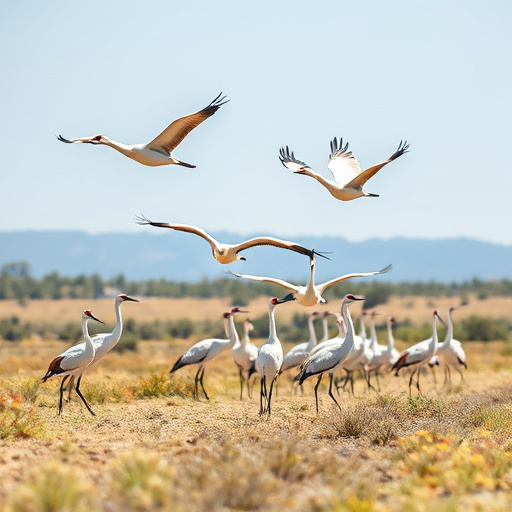
The Whitewater Draw wintering grounds in southern Arizona serve as a crucial sanctuary for approximately 20,000 sandhill cranes, making it one of the most significant locations for birding in the region. Conservation efforts focused on protecting these birds during their critical winter months are essential to ensure their survival and vitality. This ecosystem’s preservation is no small feat; it requires a concerted approach involving various stakeholders, from local governments to dedicated conservation organizations.
One primary strategy involves managing water resources to maintain optimal habitat conditions. Sandhill cranes depend on consistent water sources for drinking and bathing during their stay in Arizona. Conservationists work closely with water management authorities to ensure timely irrigation of the draw, creating a thriving wetland environment that attracts cranes and other wildlife. Additionally, implementing controlled hunting regulations is vital. While hunting can disturb bird populations, carefully regulated seasons allow for a balance between human recreation and crane conservation. For instance, the Arizona Game and Fish Department actively enforces guidelines to minimize human impact, promoting responsible birding practices among visitors.
Data collected over years of monitoring has enabled experts to identify specific needs and challenges unique to this wintering ground. This knowledge drives adaptive management strategies. For example, in response to observed trends, conservation groups may advocate for the protection of adjacent habitats or advocate for policies that limit certain human activities during peak crane migration periods. Engaging local communities in these efforts is paramount. Educational programs raise awareness about the ecological value of the area and foster a sense of stewardship among residents, encouraging responsible land use practices that benefit both cranes and birding enthusiasts.
The Whitewater Draw wintering grounds in southern Arizona serve as a vital sanctuary for approximately 20,000 sandhill cranes, making it a birding hotspot of international significance. This article has illuminated three key aspects: the unique winter haven for these migratory birds, the intricate details of their migration patterns tailored to birders’ interests, and the conservation efforts dedicated to protecting this delicate ecosystem. By understanding the importance of such natural treasures, readers can appreciate the need for continued stewardship and active involvement in local conservation initiatives. Engaging in birding in southern Arizona naturally becomes not just a recreational activity but a contribution to preserving this breathtaking spectacle for future generations.

