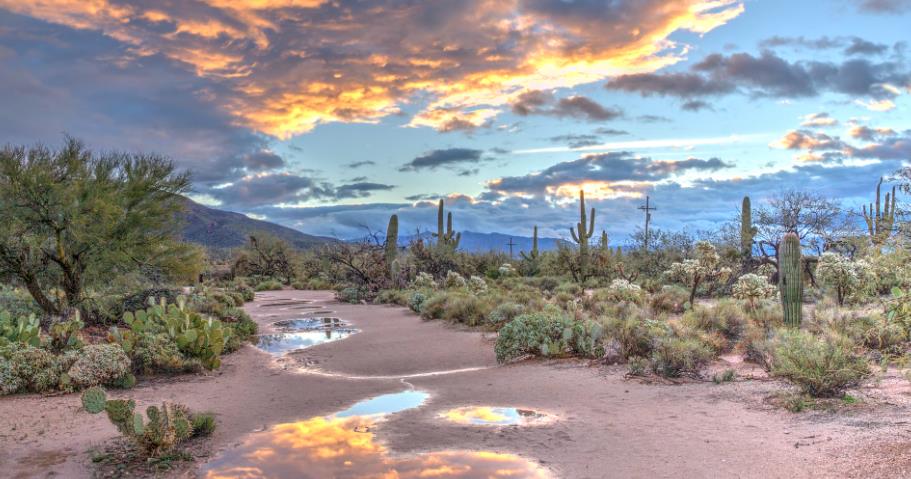

Garden Canyon in southern Arizona is a premier birding destination renowned for its diverse riparian zones, attracting over 250 bird species, including the rare Northern Beardless-Tyrannulet. Key strategies for optimal birding include exploring during cooler hours, using binoculars or zoom cameras, and targeting early mornings or late afternoons in spring and fall when the canyon is most active. Local guides and clubs offer expert insights tailored to skill levels, while responsible land management ensures the preservation of these vital habitats for southern Arizona's rich biodiversity.
Riparian zones along Garden Canyon in southern Arizona serve as vital habitats for numerous bird species, including the elusive Northern Beardless-Tyrannulet. This small but formidable bird is a favorite among birders, drawing enthusiasts to explore the area’s natural beauty. However, the delicate balance of these ecosystems faces threats from climate change and human activities, hindering the bird’s breeding and foraging grounds. This article delves into the ecological significance of Garden Canyon’s riparian zones, explores the challenges they face, and presents strategies for conservation, ensuring the continued existence and appreciation of this avian gem for birding enthusiasts in southern Arizona.
- Exploring Garden Canyon's Unique Ecosystem for Birding
- The Northern Beardless-Tyrannulet: A Riparian Specialty
- Understanding Riparian Zones in Southern Arizona's Landscape
- Birder's Guide to Observing This Elusive Tyrant in Its Natural Habitat
Exploring Garden Canyon's Unique Ecosystem for Birding
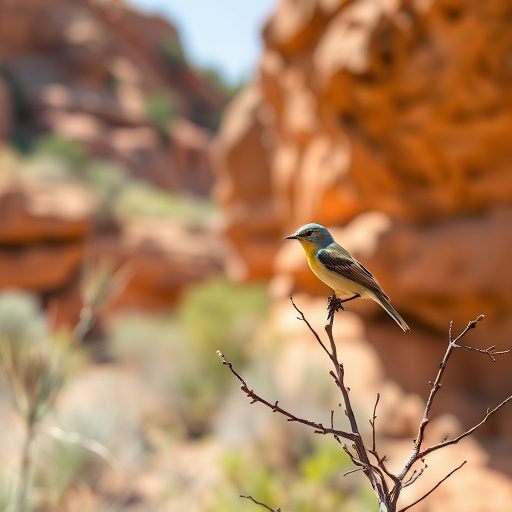
Garden Canyon, nestled in southern Arizona, stands as a prime example of a diverse and dynamic ecosystem that birding enthusiasts from around the world find irresistible. This riparian zone, with its unique blend of rugged terrain, verdant vegetation, and year-round water sources, serves as a vital habitat for numerous avian species, including the elusive Northern Bearded-Tyrannulet. Exploring Garden Canyon’s natural landscape offers birders an unparalleled opportunity to witness these delicate creatures in their native environment.
The canyon’s microclimates and diverse vegetation provide a range of habitats that cater to various bird species. Riparian areas, characterized by dense thickets of scrub and mesquite trees, offer shelter and foraging grounds for passerines like the Northern Bearded-Tyrannulet. This habitat is particularly rich in insects during the warmer months, attracting a wide array of bird life. According to recent studies, Garden Canyon supports over 250 species of birds, with regular sightings of migratory birds as well as year-round residents. Birder data from local conservation groups indicates that the canyon’s riparian zones are hot spots for rare and endangered species, making it an indispensable destination for those seeking unique birding experiences.
For those looking to explore Garden Canyon for birding, a structured approach can enhance the experience. Early morning or late afternoon hours are often the best times to spot birds as they become more active in cooler temperatures. Wearing appropriate clothing and using binoculars or a camera with good zoom capabilities are essential tools. Additionally, familiarizing oneself with the canyon’s topography and common bird species can significantly improve birding success rates. Local birding clubs and guides can provide valuable insights, sharing lesser-known hotspots and offering expert advice tailored to individual interests and skill levels. Exploring Garden Canyon’s riparian zones for birding is not just an activity; it’s a journey into one of southern Arizona’s most enchanting natural treasures.
The Northern Beardless-Tyrannulet: A Riparian Specialty
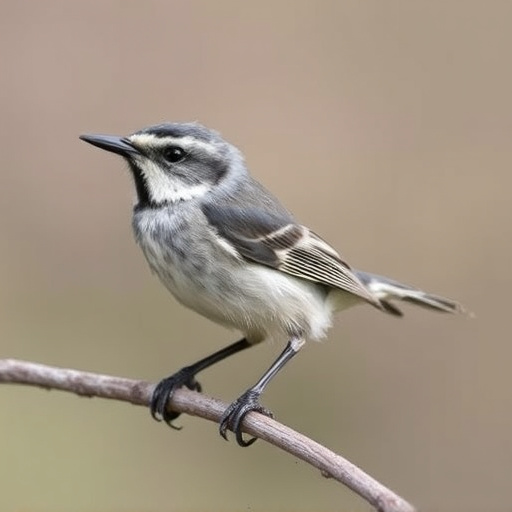
The Northern Beardless-Tyruanulet, a specialized riparian inhabitant, is a quintessential species for birding enthusiasts exploring southern Arizona’s Garden Canyon ecosystem. This tiny but formidable avian is uniquely adapted to the semi-arid climate and lush riverine habitats that define these canyons. With its distinctive vocalizations and niche feeding behaviors, it serves as a reliable indicator of healthy riparian zones—an essential aspect of the region’s biodiversity.
Observing the Northern Beardless-Tyrannulet in its natural setting offers birders an extraordinary opportunity to appreciate the delicate balance between species and their environment. These birds are highly dependent on the presence of mature willows, cottonwoods, and other riparian vegetation for nesting and foraging. In Garden Canyon, where human activity and development can impact these ecosystems, monitoring and protecting these habitats become crucial for the long-term survival of this specialty species.
Practical birding strategies for detecting the Northern Beardless-Tyrannulet include early morning or late afternoon visits to riparian areas within Garden Canyon. Scanning the lower branches of trees and shrubs for movement, with an ear attuned to their distinctive calls, can lead to rewarding encounters. Engaging in this focused activity during the peak breeding season (April–June) increases the likelihood of observing these elusive birds as they tend to be more active while defending territories and caring for young. Local birding groups and conservation organizations often organize guided trips specifically targeting riparian species like the Northern Beardless-Tyrannulet, providing expert insights and enhancing the birding experience in this unique southern Arizona setting.
Understanding Riparian Zones in Southern Arizona's Landscape
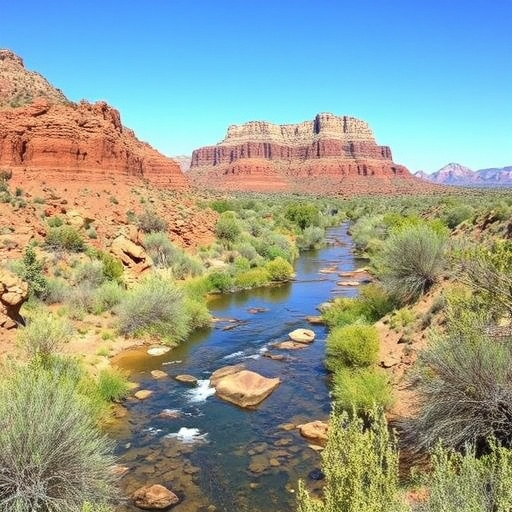
Southern Arizona’s landscape is a vibrant tapestry woven with diverse ecosystems, each playing a crucial role in supporting a plethora of bird species, including the elusive Northern Beardless-Tyrannulet. Among these habitats, riparian zones stand out as vital oases, especially within Garden Canyon, where this particular avian gem thrives. Understanding these riparian areas is key to appreciating and preserving the unique birding opportunities this region offers.
Riparian zones refer to the strips of land immediately adjacent to water bodies, such as rivers, streams, or even small washes. In Southern Arizona, these habitats are characterized by lush vegetation, including willows, cottonwoods, and mesquite trees, which create a contrasting green oasis amidst the arid desert landscape. This unique combination of moisture and vegetation attracts an array of bird species, many of which are specialized riparian residents. The Northern Beardless-Tyrannulet, for instance, relies on these zones for foraging, nesting, and overall survival during its migration and year-round residence.
Birding enthusiasts in Southern Arizona naturally seek out these riparian zones for their abundance of birding opportunities. During the spring, these areas come alive with songbirds, including the Northern Beardless-Tyrannulet’s distinctive melody. Experienced birders can also spot species like the Western Tanager and Warbling Vireo, which prefer the dense canopy and shelter these habitats provide. To ensure the preservation of these critical bird habitats, it is essential to practice responsible land management and conservation efforts, such as implementing sustainable landscaping practices near riparian areas.
Birder's Guide to Observing This Elusive Tyrant in Its Natural Habitat
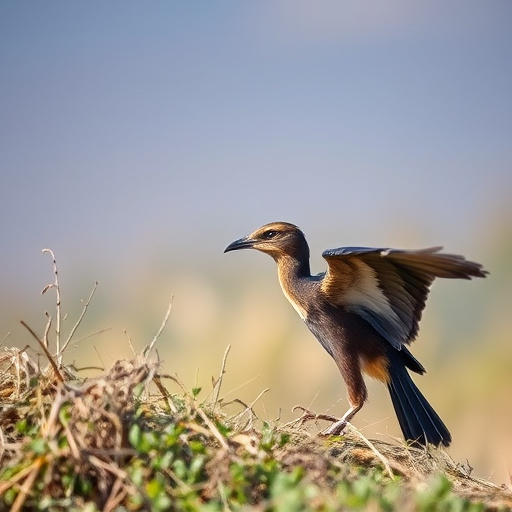
Garden Canyon, located in southern Arizona, is a birder’s paradise known for its diverse riparian zones—an ecosystem vital to many avian species, including the elusive Northern Beardless-Tyrannulet. This small but distinctive tyrant is a favorite among enthusiasts due to its unique appearance and elusive nature. To observe this bird in its natural habitat, birders should prepare for a rewarding yet challenging experience that requires patience and an understanding of its behavior.
The best time to bird in Garden Canyon is during the spring and fall migration periods when the Northern Bearded-Tyrannulet is most active. These seasons offer cooler temperatures and abundant food sources, attracting larger numbers of birds. Birders should aim to arrive early in the morning or late afternoon when the tyrant is most likely to be actively foraging. Its preference for open areas with scattered shrubs and trees makes it easier to spot, especially when it perches to sing or patrol its territorial boundaries.
To enhance your chances of encountering this elusive species, practice stealthy birding techniques. Wear camouflaged clothing, move quietly through the canyon, and minimize noise. Patience is key; allow enough time for the bird to become accustomed to your presence. When observed, the Northern Beardless-Tyrannulet reveals its identity through distinctive calls and a unique flight pattern. Noting these cues allows birders to appreciate this bird’s beauty and behavior without disturbing its natural habits. Regular visits during migration seasons will further familiarize birders with the species’ patterns, contributing to their enjoyment of this remarkable riparian zone and its inhabitants.
Garden Canyon’s riparian zones serve as a haven for birding enthusiasts seeking unique encounters, particularly with the elusive Northern Beardless-Tyrannulet. This article has illuminated several key insights: the ecological significance of riparian areas in Southern Arizona’s landscape, the specialized habitat requirements of this tyrant species, and the strategies to effectively observe it in its natural setting. For those passionate about birding in southern Arizona naturally, understanding these aspects is crucial for responsible and rewarding interactions with this and other riparian-dependent birds. By exploring and appreciating these ecosystems, birders can contribute to conservation efforts while enjoying the remarkable biodiversity that Garden Canyon offers.