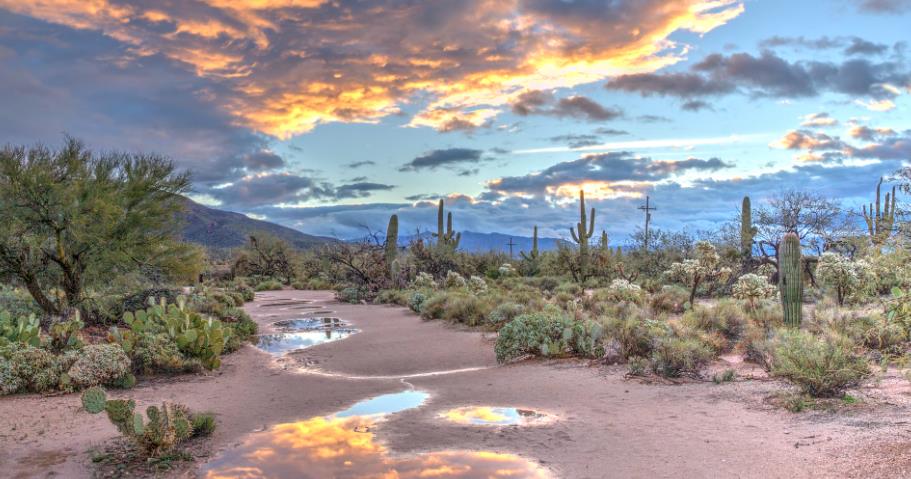
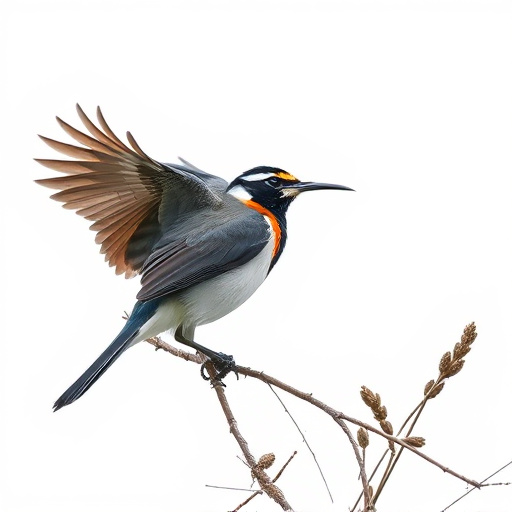
The Sonoita Creek Preserve, a 3,400-acre sanctuary in southern Arizona, is renowned for its successful ecological restoration, supporting over 250 bird species, including the threatened Yellow-billed Cuckoo. As a critical migratory stopover point, it faces challenges like invasive species and climate change. Conservation efforts focus on controlled burning, native plant introductions, and sustainable land management to maintain biodiversity. The preserve offers birding enthusiasts year-round opportunities to observe rare species naturally while contributing to preservation efforts and fostering economic growth through educational programs.
The diverse ecosystems of birding in southern Arizona naturally include vital riparian habitats, essential for numerous species. Among these, the Yellow-billed Cuckoo occupies a unique niche in the region’s natural landscape. However, human activities and climate change threaten their breeding grounds and feeding zones, particularly in areas like Sonoita Creek Preserve. This article delves into the intricate relationship between these birds and their environment, highlighting the critical role of protected spaces like Sonoita Creek in preserving the Yellow-billed Cuckoo’s habitat and ensuring their survival in southern Arizona’s birding hotspots.
- Understanding Sonoita Creek Preserve's Ecological Significance
- The Yellow-billed Cuckoo: A Unique Riparian Resident
- Conserving Critical Habitat for Birding in Southern Arizona
- Human Impact and Threats to the Natural Ecosystem
- Preservation Efforts: Strategies and Success Stories
- Exploring the Area: Birder's Guide to Sonoita Creek
Understanding Sonoita Creek Preserve's Ecological Significance
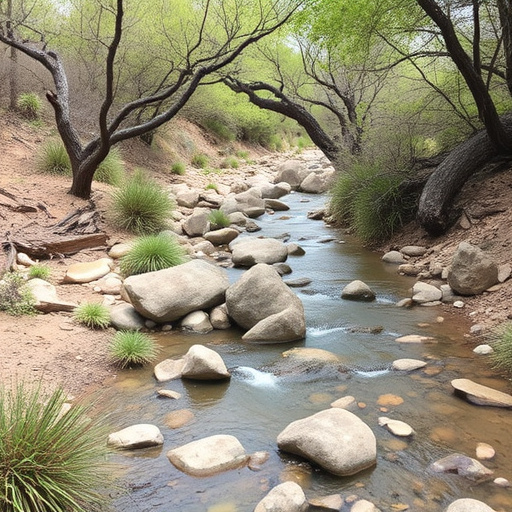
The Sonoita Creek Preserve, a haven for birding in southern Arizona, stands as a testament to the ecological restoration power of dedicated conservation efforts. This 3,400-acre sanctuary is not just a natural wonder but also a critical riparian habitat, home to numerous bird species, many of which are year-round residents and some considered threatened or endangered. The creek’s health and surrounding vegetation directly impact the well-being of these feathered inhabitants, making the preserve a dynamic ecosystem that requires meticulous care.
The ecological significance of the area is profound, serving as a vital stopover site for migratory birds traversing the southern Arizona skyway. Its lush forests, dominated by cottonwood and willows, provide essential cover and foraging grounds during their lengthy journeys. According to local ornithologists, over 250 species of birds have been spotted within the preserve’s boundaries, including the elusive Yellow-billed Cuckoo, a species that heavily relies on healthy riparian habitats for nesting and feeding. This cuckoo is particularly adept at exploiting the diverse microhabitats found along Sonoita Creek, from dense thickets to open grasslands, making its presence here crucial for maintaining the area’s biodiversity.
Preserving this delicate balance is no simple task. The preserve faces ongoing challenges, including invasive species pressure and climate change impacts that can disrupt water flows. However, through meticulous management strategies, such as controlled burning to maintain grassland habitats and the careful introduction of native plant species, the Sonoita Creek Preserve continues to flourish as a sanctuary for both wildlife and visitors engaging in birding activities. These efforts not only ensure the future of the preserve’s unique ecosystem but also offer a model for similar conservation initiatives across the region.
The Yellow-billed Cuckoo: A Unique Riparian Resident
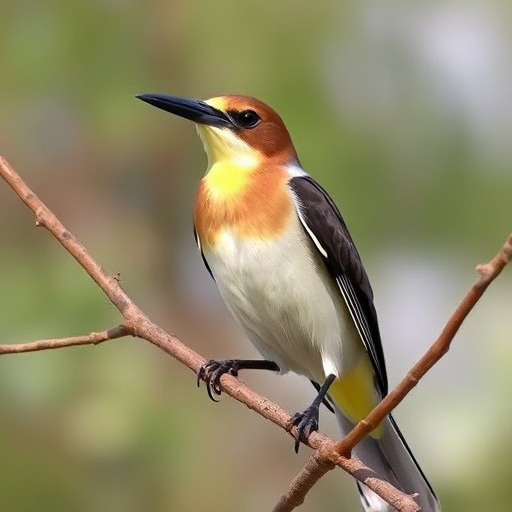
The Yellow-billed Cuckoo (YBC), a unique and elusive bird species, finds its natural haven in the riparian habitats of southern Arizona’s Sonoita Creek Preserve. This specialized habitat, characterized by flowing waters and dense vegetation, is crucial for the survival and breeding success of this fascinating avian resident. The YBC has adapted to thrive in these specific environments, making birding in southern Arizona a particularly rewarding experience for enthusiasts. During peak seasons, visitors can witness these birds’ remarkable aerial displays as they hunt insects above the creek’s surface, a spectacle that highlights their dependence on healthy riparian corridors.
Conservation efforts within the preserve focus on maintaining and restoring these delicate ecosystems to ensure suitable nesting sites and an abundance of food sources for the YBC. The preserve’s management strategies include controlled livestock grazing and native plant restoration projects, both of which play vital roles in shaping the diverse vegetation that attracts and sustains the YBC population. These initiatives not only benefit the cuckoo but also contribute to the overall health of the riparian ecosystem, supporting a multitude of other bird species and wildlife that rely on this unique Arizona landscape.
For birders and nature enthusiasts, Sonoita Creek Preserve offers an unparalleled opportunity to observe and appreciate the Yellow-billed Cuckoo in its natural setting. By participating in guided tours or exploring the preserve independently, visitors can gain valuable insights into the conservation efforts needed to protect these sensitive habitats. Understanding the YBC’s ecological role and contributing to its preservation ensures that birding in southern Arizona remains a vibrant experience for current and future generations of nature lovers.
Conserving Critical Habitat for Birding in Southern Arizona
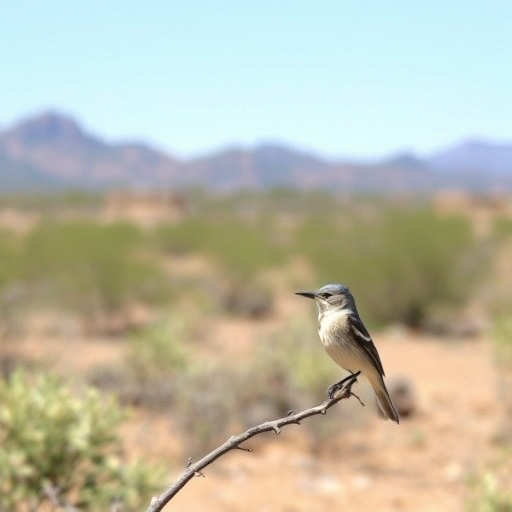
The Sonoita Creek Preserve, nestled in the heart of southern Arizona’s scenic landscape, stands as a beacon for birding enthusiasts and conservationists alike. This 2,500-acre sanctuary isn’t just about preserving diverse flora; it is primarily dedicated to safeguarding critical habitats for birds, particularly the elusive Yellow-billed Cuckoo. With an estimated 40% decline in their global population over the last few decades, the preserve plays a pivotal role in reversing this trend by offering a haven where these magnificent creatures can breed, feed, and flourish.
Birding in southern Arizona has long been renowned for its abundance of species and unique ecosystems. The Yellow-billed Cuckoo, a quintessential resident, requires riparian habitats with dense, tall vegetation for nesting and foraging. Sonoita Creek provides such an environment, featuring lush willows, mesquite trees, and a vibrant understory that attract a myriad of bird species throughout the year. The preserve’s strategic location along migratory routes makes it even more significant, serving as a vital stopover point for birds traveling between wintering grounds in Mexico and breeding territories in the northern United States.
Conservation efforts at Sonoita Creek focus on maintaining and restoring these delicate ecosystems. Regular restoration projects involve the planting of native vegetation to stabilize riverbanks and provide cover for nesting birds. These initiatives, combined with strict management practices, have led to promising results. Recent surveys indicate an increase in Yellow-billed Cuckoo populations within the preserve, offering a glimmer of hope for this once-plagued species. For birding enthusiasts, the preserve offers year-round opportunities to observe these and other avian species in their natural habitats, making it a premier destination for those seeking to connect with nature’s wonders.
Human Impact and Threats to the Natural Ecosystem
The Sonoita Creek Preserve, a haven for birding in southern Arizona, faces significant challenges due to human activities and their impact on the delicate riparian ecosystem. As humans encroach upon these natural habitats, the once pristine environment suffers from various threats that disrupt the ecological balance. One of the most notable residents of this preserve is the Yellow-billed Cuckoo—a species closely tied to healthy riparian corridors. However, the increasing pressure on these areas from urban development, agriculture, and recreational activities poses a severe risk to their survival.
Human impacts are multifaceted, including direct destruction through construction and habitat fragmentation, as well as indirect effects like water pollution and overgrazing. These disturbances can lead to a decline in biodiversity and disrupt the natural cycles that sustain birding hotspots like Sonoita Creek. For instance, the loss of mature willows and cottonwoods along the creek can reduce nesting sites for Yellow-billed Cuckoos and other riparian bird species, while water quality degradation affects not only these birds but also fish populations and aquatic plants. Moreover, recreational activities such as off-road vehicles can disturb nesting birds and damage the delicate riverbank vegetation crucial for their survival.
Addressing these threats requires a multi-faceted approach. Conservation efforts must focus on protecting and restoring riparian habitats through sustainable land management practices. This includes implementing regulated access to minimize human impact during birding and other recreational activities, as well as enforcing strict guidelines against pollution and overgrazing. By collaborating with local communities, environmental organizations, and government agencies, the Sonoita Creek Preserve can be a model for harmonious coexistence between humans and nature, ensuring that future generations can continue to appreciate and enjoy this natural wonder while also preserving its ecological integrity for the birding enthusiasts who flock to southern Arizona.
Preservation Efforts: Strategies and Success Stories

The Sonoita Creek Preserve stands as a beacon of conservation success, showcasing effective preservation efforts to safeguard critical riparian habitats in southern Arizona’s vibrant birding hotspot. This 3,400-acre sanctuary, nestled along the scenic Sonoita Creek, has been meticulously designed and managed to support a diverse range of bird species, with a particular focus on the elusive Yellow-billed Cuckoo. The preserve’s strategic approach to conservation includes several key initiatives that have yielded tangible results.
One of their primary strategies involves habitat restoration. By carefully reconstructing and enhancing the natural riparian zone, the preserve has created ideal breeding grounds for the Yellow-billed Cuckoo and other waterbird species. This meticulous process includes reestablishing native vegetation, improving water quality, and constructing essential nesting structures. For instance, the implementation of a controlled burning regime has facilitated the growth of dense, low vegetation preferred by the cuckoos for nesting, leading to a significant increase in successful breeding pairs over the past decade.
Moreover, the preserve offers extensive educational programs aimed at engaging local communities and visitors alike in birding activities. These programs not only foster an appreciation for the region’s rich biodiversity but also equip participants with practical knowledge about bird conservation. By hosting guided walks, workshops, and birding festivals, Sonoita Creek Preserve has become a hub for birders from around the world, contributing to both the local economy and the conservation efforts through increased awareness and volunteer participation. These successful strategies have resulted in a thriving ecosystem where birding enthusiasts can observe rare species while actively supporting their preservation.
Exploring the Area: Birder's Guide to Sonoita Creek

The Sonoita Creek Preserve stands as a haven for birders seeking to immerse themselves in the rich biodiversity of southern Arizona’s riparian habitats. This 1,200-acre sanctuary, situated along the scenic Sonoita Creek, offers an unparalleled opportunity to observe and study some of North America’s most fascinating feathered creatures, particularly the elusive Yellow-billed Cuckoo. Exploring this preserve is akin to stepping into a living, breathing symphony of birding in southern Arizona, where every bend in the creek and every dense thicket could potentially conceal rare species.
For the seasoned birder, Sonoita Creek Preserve provides an extensive network of trails that wind through diverse ecosystems, from mesquite groves to open riparian zones. These environments are particularly attractive during the spring and summer months when the preserve becomes a stopover point for migratory birds, including the Yellow-billed Cuckoo. The best time to visit is early morning or late afternoon when bird activity peaks, allowing visitors to witness the captivating dance of these species in their natural habitat. It’s not uncommon to spot other notable residents such as the Greater Roadrunner, Northern Shrike, and a variety of hummingbirds, each contributing to the preserve’s reputation as a premier birding destination in the region.
Practical insights for birders include dressing appropriately for varying desert conditions, bringing binoculars, and adhering to designated trails to minimize disturbance to both wildlife and fragile ecosystems. Remember that patience and quiet observation are key when birding at Sonoita Creek Preserve. By adopting these practices, visitors can not only enjoy the experience but also contribute to the long-term preservation of this vital habitat for countless bird species, including the Yellow-billed Cuckoo, that naturally call southern Arizona home.
The Sonoita Creek Preserve stands as a crucial haven for the Yellow-billed Cuckoo and its riparian habitats in southern Arizona, highlighting the delicate balance between ecological preservation and birding opportunities. Understanding the unique relationship between this species and its environment is essential to appreciating the preserve’s significance. By mitigating human impacts and implementing successful conservation strategies, the preserve ensures the continued existence of these vital habitats. This article has offered a comprehensive guide for birders, showcasing the area’s potential as a premier destination for observing the rare Yellow-billed Cuckoo and other avian species. Moving forward, it is imperative to continue supporting preservation efforts, fostering public awareness, and promoting sustainable practices to safeguard this natural treasure for future generations of bird enthusiasts and ecologists alike.