Skip to content

Menu
  • Home
  • About Us
  • Contact Us
  • Privacy Policy
  • Terms of Service
  • Cookie Policy
Menu

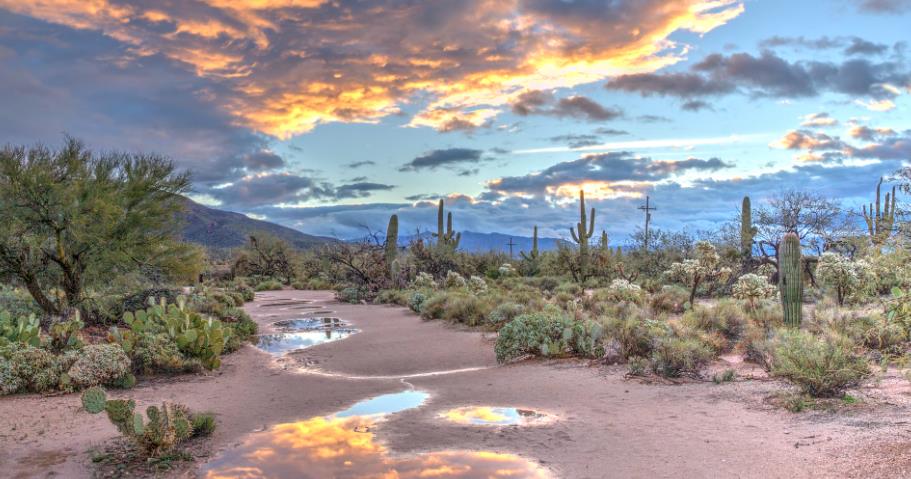
Sabino Canyon - birding in southern AZ

Birding Southern Arizona: A Comprehensive Exploration

Introduction

Southern Arizona, with its diverse ecosystems and breathtaking landscapes, has long been a haven for bird enthusiasts and nature lovers alike. Birding, the activity of observing and studying birds in their natural habitats, has flourished in this region, attracting both local and international visitors. This article delves into the vibrant world of birding in Southern Arizona, exploring its unique characteristics, global significance, and the various factors that shape this captivating hobby and industry. Get ready to embark on a journey through diverse bird species, thriving ecosystems, and the cultural impact this region has on the global birding community.

Understanding Birding in Southern Arizona

Definition: Birding, in its essence, is the act of observing and identifying birds in their natural settings. It involves a keen eye for detail, an extensive knowledge of bird behaviors and species, and a deep appreciation for nature. In Southern Arizona, birding takes on a unique dimension due to the region’s remarkable biodiversity and diverse habitats.

Core Components:

  1. Bird Species Diversity: Southern Arizona boasts over 450 species of birds, making it a hotspot for avian diversity in North America. This includes year-round residents, migratory visitors, and rare vagrants. The region’s unique mix of desert, mountain, and riparian habitats provides ideal nesting and feeding grounds for these diverse bird populations.
  2. Habitat Variety: From arid deserts to lush forests, Southern Arizona offers a wide range of habitats. These include the Sonoran Desert, with its iconic saguaro cacti; the Santa Catalina Mountains, home to pine-covered peaks; and the riparian zones along rivers like the Santa Cruz River. Each habitat supports distinct bird species and contributes to the region’s overall ecological richness.
  3. Observation Sites: The state is dotted with numerous birding hotspots, including national parks, wildlife refuges, and conservation areas. Popular sites include Saguaro National Park, Catalina State Park, and the Sonoran Desert National Monument. These locations offer visitors excellent opportunities to observe birds in their natural settings and contribute to scientific research through citizen science projects.

Historical Context: Birding has a rich history in Southern Arizona, dating back to the late 19th century when early naturalists and ornithologists began documenting the region’s bird life. Over time, the hobby gained popularity among local residents and visitors alike, leading to the development of organized birding groups, field guides, and conservation efforts. The establishment of several national parks and wildlife refuges in the 20th century further solidified Southern Arizona as a premier birding destination.

Global Impact and Trends

Southern Arizona’s birding scene is not merely a local phenomenon; it has global implications and contributes to international trends in ornithology and conservation. Here’s how:

  • International Birding Tourism: The region attracts birders from around the world, particularly during migration seasons when rare species can be spotted. According to a 2020 study by the Arizona Office of Tourism, birdwatching contributes approximately $37 million to the state’s economy annually, with many visitors traveling specifically for birding experiences.
  • Conservation Research: Southern Arizona serves as a vital research ground for ornithologists and conservationists. The region’s diverse habitats provide valuable insights into bird behavior, migration patterns, and climate change impacts. Scientists from institutions like the Cornell Lab of Ornithology and the National Audubon Society frequently conduct studies here, utilizing citizen science data collected by local birders.
  • Global Species Distribution: Many bird species found in Southern Arizona are part of broader migratory patterns that span continents. For example, the iconic Gila Woodpecker is a year-round resident and a key species in the region’s ecosystem. However, its range extends across North and South America, making observations here integral to global ornithological knowledge.

Trends Shaping Birding:

  1. Citizen Science: The rise of citizen science projects has significantly impacted birding worldwide. Local birders contribute to global datasets by recording bird sightings, which aids in species distribution mapping, migration studies, and conservation planning.
  2. Digital Birding Tools: Technological advancements have revolutionized birding through mobile apps and online platforms. These tools enable real-time sharing of bird sightings, identification assistance, and community engagement, fostering a more connected birding community.
  3. Sustainable Tourism: There is a growing emphasis on promoting sustainable birding practices to minimize environmental impact. This includes responsible visitor management, habitat conservation efforts, and education initiatives aimed at ensuring the long-term accessibility of birding sites.

Economic Considerations

The economic implications of birding in Southern Arizona are multifaceted and contribute to the region’s overall economic vitality.

Market Dynamics:

  • Tourism: As mentioned, birdwatching tourism is a significant contributor to the local economy. Visitors spend money on accommodations, food, transportation, and gear, supporting a range of businesses from hotels and restaurants to outdoor equipment stores and tour operators.
  • Retail and Services: Birding-related merchandise, such as field guides, binoculars, and bird feeders, fuels a dedicated retail market. Additionally, services like guided tours, nature photography expeditions, and birding workshops attract customers, creating employment opportunities.

Employment and Businesses:

  • The birding industry supports various jobs, from park rangers and wildlife biologists to tour guides, photographers, and owners of outdoor shops. Many local businesses cater specifically to birders, fostering a thriving ecotourism sector.
  • According to the Arizona Ecotourism Council, ecotourism, including birding activities, contributes over $1 billion to the state’s economy annually and supports thousands of jobs.

Conservation and Economic Linkage: The economic value of birding also underscores the importance of habitat conservation. Protected areas and conservation initiatives ensure the preservation of bird habitats, which in turn attracts birders and generates revenue for local communities.

Birder Communities and Social Impact

Birding has fostered vibrant communities of enthusiasts who come together to share their passion for birds and contribute to conservation efforts.

  • Local Clubs and Organizations: Southern Arizona is home to numerous birding clubs, such as the Tucson Birding Society and the Phoenix Birding Club, which organize field trips, workshops, and social events. These groups provide a sense of community and encourage the exchange of knowledge among members.
  • International Connections: Local birders often collaborate with international organizations and participate in global initiatives. For instance, they contribute to eBird, a real-time bird sighting database operated by the Cornell Lab of Ornithology, which connects birders worldwide.
  • Conservation Advocacy: Birding communities actively promote conservation efforts, raising awareness about habitat loss, pollution, and climate change impacts on bird populations. They participate in local and regional conservation campaigns, advocating for policies that protect sensitive habitats.

Challenges and Future Outlook

While birding in Southern Arizona offers countless benefits, the region also faces challenges that require proactive solutions.

Challenges:

  1. Habitat Loss: Urban expansion and development threaten critical bird habitats, particularly in edge zones between urban areas and natural landscapes. Balancing conservation and growth is essential to preserving birding opportunities.
  2. Climate Change: Changing climate patterns impact bird migration and distribution. Extreme weather events can disrupt breeding cycles and alter the timing of migrations, presenting challenges for birders and researchers alike.
  3. Human-Wildlife Conflict: As bird populations thrive, conflicts with humans over food sources or nesting areas may arise, particularly in urban settings. Educating the public about coexisting with wildlife is crucial to resolving these issues.

Future Outlook:

The future of birding in Southern Arizona appears promising due to several factors:

  • Conservation Efforts: Local and national organizations are dedicated to protecting habitats and managing resources sustainably. Initiatives like the Sonoran Desert Conservation Plan aim to preserve key bird habitats while promoting responsible land use.
  • Technological Advancements: Digital tools and platforms will continue to enhance the birding experience, improving identification accuracy and enabling more efficient data collection for research.
  • Community Engagement: By involving local communities in birding activities and conservation efforts, the region can foster a deeper connection between residents and their natural environment, ensuring the long-term appreciation and protection of bird life.

Conclusion

Birding in Southern Arizona is a vibrant and dynamic aspect of the region’s cultural and natural heritage. It offers a unique blend of ecological diversity, economic opportunities, and social engagement. As global attention on conservation and sustainable tourism grows, the state’s birding community plays a vital role in shaping the future of this captivating hobby while safeguarding the remarkable bird life that calls Southern Arizona home.

Santa Rita Lodge: Birding Haven Attracts Painted Redstart Enthusiasts

Santa Rita Lodge: Birding Haven Attracts Painted Redstart Enthusiasts

Posted on July 30, 2026 by Birding Southern Arizona

The Santa Rita Lodge in southern Arizona is a premier destination for birding enthusiasts, especially those seeking the elusive Painted Redstart. Strategically located in the Santa Rita Mountains with diverse habitats, the lodge offers well-placed feeders and guided tours led by naturalists. By maintaining responsible tourism and conservation practices, the lodge enhances local birding experiences while contributing to Painted Redstart population growth. Tips for visitors include minimizing disturbance, offering varied seeds, and respecting feeding habits to observe these vibrant songbirds comfortably. The lodge exemplifies successful conservation efforts, collaborating with communities to preserve biodiversity in southern Arizona's rich birdlife hotspot.

The Santa Rita Lodge, nestled in the heart of birding haven southern Arizona, has long been a magnet for nature enthusiasts seeking to witness the delicate beauty of local avian life. Specifically, its feeders attract a vibrant crowd of Painted Redstart viewers eager to catch glimpses of this rare and striking species. However, with increasing visitor numbers comes the challenge of maintaining an environment that supports both the birds and their dedicated admirers. This article delves into strategies for navigating this equilibrium, providing valuable insights for ensuring the continued thriving of these feeders as a hub for birding in southern Arizona.

  • Santa Rita Lodge: A Haven for Birding in Southern Arizona
  • Painted Redstarts: Unique Species Drawing Attention
  • Feeder Setup and Maintenance for Optimal Viewings
  • Understanding Behaviors: Attracting and Observing Painted Redstarts
  • The Impact of Local Conservation Efforts on Bird Populations

Santa Rita Lodge: A Haven for Birding in Southern Arizona
birding in southern Arizona

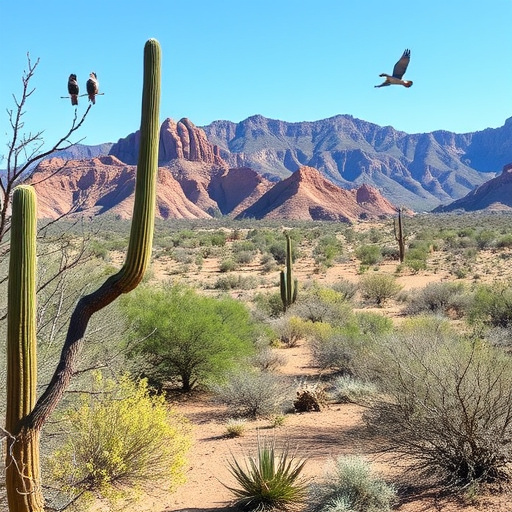
Santa Rita Lodge stands as a beacon for birding enthusiasts in southern Arizona, offering an unparalleled experience for those seeking to observe the region’s diverse avian life. The lodge’s strategic location within the Santa Rita Mountains provides access to a wide range of habitats, from dense forests to open grasslands, which naturally attract a plethora of bird species throughout the year. Among these, the Painted Redstart has become a particular draw, with many visitors hoping to catch a glimpse of this striking little bird.

The lodge’s feeders, strategically placed throughout its grounds, serve as a central hub for birding activities. These feeders are meticulously maintained and attract not only common species but also rare migrants, making them ideal observation points. In recent years, the Santa Rita Lodge has hosted notable sightings of the Painted Redstart, with visitors reporting numerous close encounters. This success can be attributed to the lodge’s commitment to conservation efforts and its promotion of responsible birding practices. By providing safe viewing areas and educating guests on bird behavior, the lodge fosters a positive experience for both birds and observers.

For those eager to follow in these footsteps, the Santa Rita Lodge offers guided birding tours led by experienced naturalists. These tours provide an immersive experience, allowing visitors to learn about the local ecosystem while increasing their chances of spotting the elusive Painted Redstart. Beyond the lodge, birders can explore nearby trails and regions, each offering unique opportunities for observing southern Arizona’s rich birdlife. By embracing responsible tourism and conservation practices, the Santa Rita Lodge continues to be a top destination, not just for bird enthusiasts but for anyone seeking to connect with nature in this vibrant corner of Arizona.

Painted Redstarts: Unique Species Drawing Attention
birding in southern Arizona

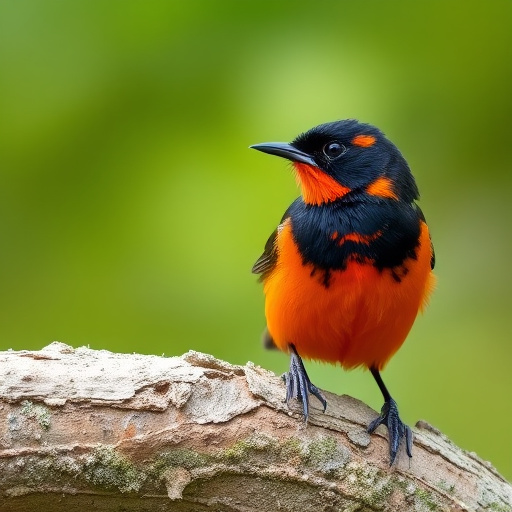
The Santa Rita Lodge, nestled in the heart of southern Arizona, has emerged as a premier destination for birding enthusiasts, particularly those seeking to observe the elusive Painted Redstart. This small yet vibrant bird, known for its striking red chest and distinctive song, has captivated the attention of birdwatchers across the region. The lodge’s strategic location within a diverse ecosystem has made it a hotspot for these feathered visitors, drawing a steady stream of enthusiasts who engage in the rewarding pastime of birding in southern Arizona.

Painted Redstarts, a species native to the American Southwest, are known for their preference for dense, semi-open habitats such as thickets, shrubs, and woodland edges. The lodge’s surrounding area boasts a rich tapestry of such habitats, providing an ideal environment for these birds to forage and breed. According to recent studies, the region supports a significant population of Painted Redstarts, making it a prime location for birdwatchers to add this species to their life lists. The birds’ unique appearance and melodious songs create a memorable experience for visitors, fostering a deeper appreciation for the local biodiversity.

For those interested in observing Painted Redstarts, the lodge offers several practical advantages. Its feeders, strategically placed to maximize viewing opportunities, provide a consistent source of food and water, attracting the birds year-round. Birdwatchers can comfortably observe the redstarts from various observation platforms, allowing for detailed study of their behavior and distinctive markings. Additionally, the lodge’s knowledgeable staff often shares insights and tips, enhancing the overall birding experience. By actively supporting these efforts, the Santa Rita Lodge not only contributes to the conservation of Painted Redstarts but also enriches the birding community in southern Arizona.

Feeder Setup and Maintenance for Optimal Viewings

birding in southern Arizona

Feeder setup and maintenance play a pivotal role in enhancing the viewing experience for those captivated by the Painted Redstart, a vibrant bird species native to birding hotspots in southern Arizona. This small yet striking passerine is particularly attracted to well-maintained feeding stations, offering enthusiasts a unique opportunity to observe its delicate beauty up close. The key lies in creating a microhabitat that mimics their natural preferences while ensuring regular replenishment of fresh food and water sources.

A successful feeder setup begins with placement. Strategically positioning feeders near shrubs or trees provides cover and perching spots for the birds, mirroring their preferred habitats in the region’s diverse landscape. Additionally, using feeding stations designed to prevent seed waste minimizes competition among visitors and reduces the risk of pest infestations. Regular cleaning is essential to maintain hygiene, especially during hot summer months when mold can flourish.

Maintaining optimal conditions involves a consistent supply of high-quality birdseed, particularly during migration and winter months when food sources are scarce. Sunflower seeds and fruit mixes prove popular with Painted Redstarts, drawing them in for sustenance. Moreover, providing water in the form of a shallow birdbath or feeder can encourage longer visits, allowing observers to capture detailed glimpses of these elusive birds. By adopting these practices, birdwatchers in southern Arizona can transform their outdoor spaces into thriving birding hotspots, fostering a deeper connection with nature’s wonders.

Understanding Behaviors: Attracting and Observing Painted Redstarts
birding in southern Arizona

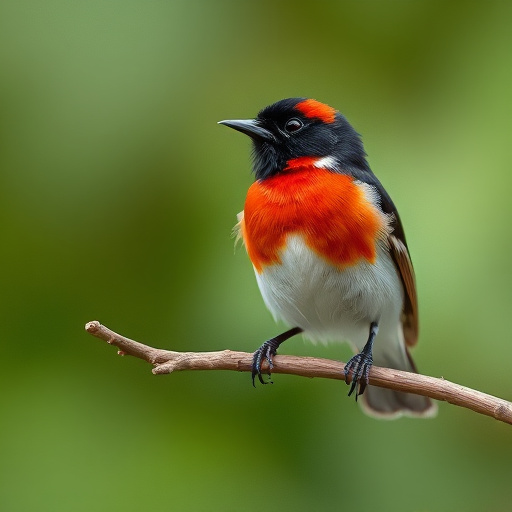
The Santa Rita Lodge serves as a prime hotspot for birding enthusiasts in southern Arizona, drawing attention from those passionate about observing the area’s diverse avian species, particularly the Painted Redstart (Myiophobia fusca). Understanding the behaviors of these vibrant songbirds offers visitors an enriching experience during their stay. During the spring and summer months, when the lodge’s feeders are actively maintained, Painted Redstarts frequently visit, providing a unique opportunity for close observation.

One key aspect to note is their preference for dense, low vegetation near open areas where they can easily spot potential threats while foraging on the ground or in shrubs. The lodge’s grounds naturally cater to this requirement with its lush, native plant life and scattered shrubs, creating ideal habitats for these birds. Encouraging visitors to take a step back and observe the birds’ natural behaviors without sudden movements or loud noises allows for a more peaceful interaction, enhancing the birding experience.

Practical tips for attracting and observing Painted Redstarts include offering a variety of seed types in feeders, especially those rich in protein, as these birds are known to be opportunistic foragers. Regular cleaning of feeders is essential to maintain hygiene standards, which can prevent disease transmission among bird species. Additionally, maintaining a safe distance, using binoculars, and wearing quiet, natural clothing encourages the birds to stay in the area without distress, providing visitors with prolonged opportunities to study their elegant movements and intricate plumage patterns.

The Impact of Local Conservation Efforts on Bird Populations
birding in southern Arizona

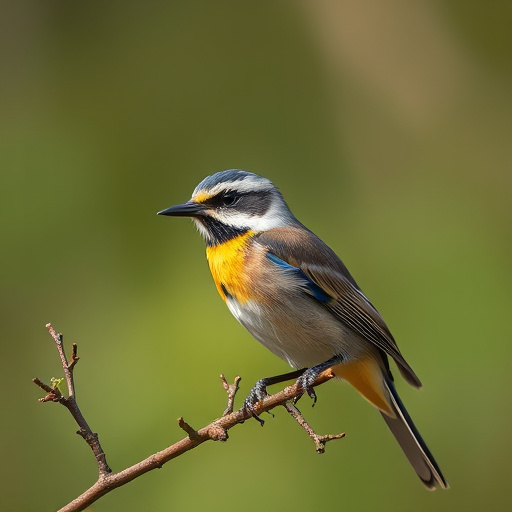
The Santa Rita Lodge, nestled amidst the vibrant birding hotspot of southern Arizona, serves not only as a sanctuary for nature enthusiasts but also as a prime example of local conservation efforts’ profound impact on bird populations. The lodge’s feeders, strategically placed to attract various avian species, have become a hub for birdwatchers and biologists alike, offering a unique opportunity to study the ecological interactions within this diverse ecosystem.

The Painted Redstart, a vibrant species known for its striking crimson wing patches, has shown a notable increase in local populations due to initiatives focused on habitat preservation and food source availability. The lodge’s conservation efforts include maintaining a year-round supply of suitable food sources, such as specialized feeders designed to cater to the specific needs of redstarts. This approach not only encourages the species’ presence but also facilitates detailed observation and study, contributing to a deeper understanding of their behavior and migration patterns.

Furthermore, the lodge’s commitment to conservation extends beyond its boundaries, fostering collaboration with nearby communities and organizations. By promoting sustainable practices and raising awareness about the region’s unique birdlife, the Santa Rita Lodge plays a pivotal role in ensuring the long-term health of bird populations. This holistic approach to conservation, combining habitat protection, scientific research, and community engagement, serves as a model for other natural hotspots, demonstrating that localized actions can have far-reaching effects on global biodiversity.

The article has provided an in-depth exploration of Santa Rita Lodge as a premier destination for birding in southern Arizona, highlighting the significance of its ecosystem in attracting unique species like the Painted Redstart. Key insights include the importance of feeder setup and maintenance to optimize viewing opportunities, understanding the behavioral patterns of these birds to enhance their presence, and recognizing the positive impact of local conservation efforts on bird populations. By delving into these aspects, enthusiasts and professionals alike can effectively contribute to preserving and appreciating the rich birding landscape naturally found in southern Arizona.

Recent Posts

  • Expert Emergency Roof Repair Tucson: Quality Materials, Top Contractors
  • Guaranteed Protection: Oro Valley Roofing Warranties Explained
  • Optimizing Oro Valley Homes with Expert Roof Ventilation Solutions
  • Recognize Need: Signs You Need a New Garage Door Opener
  • Solar-Ready Homes: Unlocking Oro Valleys Clean Energy Future

Recent Comments

No comments to show.

Archives

  • August 2026
  • July 2026
  • June 2026
  • May 2026
  • April 2026
  • March 2026
  • February 2026
  • January 2026
  • December 2025
  • November 2025
  • October 2025
  • September 2025
  • August 2025
  • July 2025
  • June 2025
  • May 2025
  • April 2025
  • March 2025
  • February 2025
  • January 2025
  • December 2024
  • November 2024
  • October 2024
  • September 2024

Categories

  • Affordable Roofing Oro Valley
  • affordable roofing tucson
  • Appliance Repair Austin
  • Arizona Travel Tips
  • Austin Real Estate
  • Austin Travel Tips
  • Austin TX
  • average lifespan of a residential garage door opener
  • benefits of preventative garage door maintenance for homeowners
  • best roofers tucson
  • Best Roofing Contractors in Oro Valley
  • best time of year to schedule garage door maintenance in AZ
  • Birding Southern Arizona
  • Choosing Roofing Materials
  • choosing the right garage door for energy efficiency in Arizona
  • commercial roofing tucson
  • common causes of broken garage door tracks and rollers
  • difference between torsion and extension springs explained
  • emergency garage door repair near me in Tucson AZ
  • Emergency Roof Repair Oro Valley
  • emergency roof repair tucson
  • Energy-Efficient Roofing Options
  • Flat Roof Services Oro Valley
  • Foam Roofing Oro Valley
  • Garage Door Repair
  • garage door safety tips for families with children
  • GE Appliance Repair Austin
  • Hail Damage Roof Inspection Oro Valley
  • Handyman Tips
  • Home Renovations
  • Home Repair And Maintenance
  • Home Repairs
  • Home Security
  • how dust and heat affect garage doors in the desert climate
  • how much does garage door spring replacement cost in Tucson
  • how to choose between single and double garage door springs
  • how to lubricate garage door rollers and hinges safely
  • Insurance Claims for Roof Damage Oro Valley
  • Kitchen Renovations
  • Lawn Care And Landscaping
  • LG Appliance Repair Austin
  • Licensed Roofers Oro Valley
  • licensed roofers tucson
  • Major Appliances
  • Metal Roofing Oro Valley
  • New Mexico Travel Tips
  • Pest Control Services
  • pest control services Catalina Foothills
  • pest control services Marana
  • pest control services Oro Valley
  • pest control services Tucson
  • pest control services Vail AZ
  • Pest Control Tucson
  • quick garage door repair in Tucson
  • Refrigerator Repair
  • Residential Roofing Oro Valley
  • residential roofing tucson
  • roach exterminator Catalina Foothills
  • roach exterminator Marana
  • roach exterminator Oro Valley
  • roach exterminator Tucson
  • roach exterminator Vail AZ
  • rodent control Catalina Foothills
  • rodent control Marana
  • rodent control Oro Valley
  • rodent control Tucson
  • rodent control Vail AZ
  • Roof Inspection Services Oro Valley
  • roof inspection tucson
  • Roof Installation Process Oro Valley
  • Roof Leak Detection Oro Valley
  • roof maintenance tucson
  • Roof Repair in Oro Valley
  • Roof Repair Tucson
  • roof repair tucson arizona
  • Roof Replacement Oro Valley
  • roof replacement tucson
  • Roof Ventilation Solutions Oro Valley
  • Roofing
  • roofing contractors tucson
  • Roofing Estimates and Quotes Oro Valley
  • Roofing Oro Valley
  • roofing services tucson az
  • Roofing Warranties Oro Valley
  • RV Travel Tips
  • RVing for Beginners
  • scorpion control Catalina Foothills
  • scorpion control Marana
  • scorpion control Oro Valley
  • scorpion control Tucson
  • scorpion control Vail AZ
  • Shingle Roofing Oro Valley
  • signs you need a new garage door opener
  • Solar Energy
  • Solar Power
  • Solar-Ready Roofing Systems Oro Valley
  • sonoita az wine
  • sonoita az wine tasting
  • sonoita vineyards
  • sonoita wine country
  • sonoita wine tasting
  • sonoita wine tasting tours
  • sonoita wine tour shuttle
  • sonoita wine tours
  • sonoita wine trail
  • southern arizona wine tours
  • southern arizona wineries
  • southern arizona winery
  • southern az wineries
  • Storm Damage Roof Repair Oro Valley
  • termite control Catalina Foothills
  • termite control Marana
  • termite control Oro Valley
  • termite control Tucson
  • termite control Vail AZ
  • Texas Travel Tips
  • Tile Roofing Oro Valley
  • tips for avoiding surprise garage door repair costs
  • trusted garage door service in Tucson
  • Tucson AZ
  • Tucson Garage Door Repair
  • Tucson Garage Doors
  • Tucson Pest Control
  • Tucson Real Estate
  • tucson roof leak repair
  • tucson roofing companies
  • Tucson Roofing Contractors
  • tucson roofing cost
  • Tucson Travel Tips
  • vineyards in sonoita
  • vineyards in sonoita az
  • vineyards sonoita az
  • when to replace vs repair a garage door panel
  • why is my garage door making grinding noises
  • why same-day garage door repair service matters
  • wine tasting in sonoita az
  • wine tasting oro valley
  • wine tasting sonoita
  • wine tour sonoita
  • wine tours sonoita
  • wine tours southern arizona
  • wineries in southern arizona
  • wineries near sonoita az
  • winery sonoita az
©2026 | Design: Newspaperly WordPress Theme