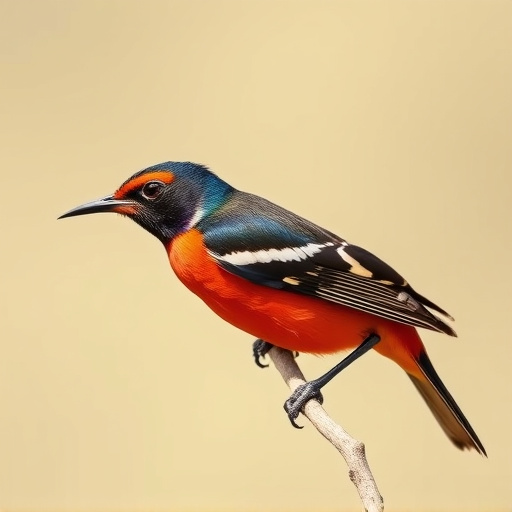
The Santa Rita Lodge in southern Arizona is a premier birding destination, especially for observing rare species like the Painted Redstart. Its strategic location, well-maintained trails, and expert staff offer ideal conditions for birding. The lodge's feeder system caters to diverse bird populations while promoting sustainable practices. Visitors can enhance their experience by timing visits with peak seasons, using binoculars, and utilizing strategically placed feeders during consistent observation times. The lodge serves as a model for community engagement and environmental stewardship in southern Arizona's vibrant birding hotspot.
The Santa Rita Lodge, nestled in the heart of birding in southern Arizona, has long been a haven for nature enthusiasts, particularly those drawn to the elusive Painted Redstart. However, the influx of visitors seeking these vibrant birds has created a challenge: how to enjoy and preserve this delicate ecosystem while facilitating responsible birding practices. This article delves into the strategies employed by the lodge to attract Painted Redstart viewers, balancing conservation with public appreciation, ensuring that birding in southern Arizona remains a harmonious experience for both nature and those who seek to observe it.
- Santa Rita Lodge: A Birder's Haven in Southern Arizona
- Painted Redstarts: Unique Feathered Attractions
- The Lodge's Feeder System: Design and Benefits
- Observing Bird Behavior: Insights from the Field
- Seasonal Variations: When to Catch a Glimpse
- Community Engagement: Education Through Birding
Santa Rita Lodge: A Birder's Haven in Southern Arizona
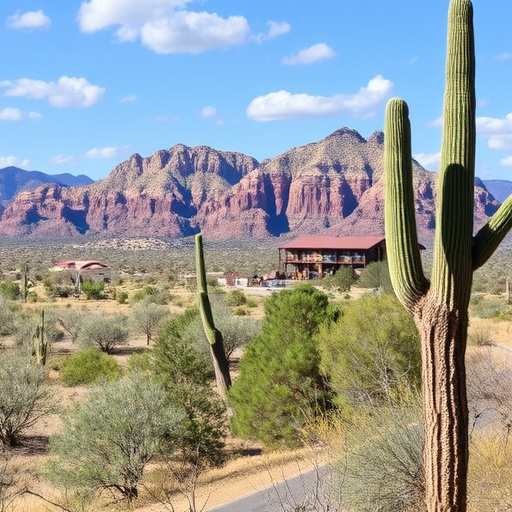
Santa Rita Lodge stands as a sanctuary for birders in southern Arizona, offering unparalleled opportunities for observing rare species like the Painted Redstart. This quaint lodge, nestled amidst lush landscapes, serves as a magnet for nature enthusiasts seeking authentic birding experiences. The area's diverse ecosystems, from montane forests to desert scrublands, provide a dynamic environment where bird species thrive, making it a paradise for avid watchers.
The lodge's strategic location along migratory routes makes it a prime spot for catching glimpses of the Painted Redstart, known for its striking crimson plumage and distinctive songs. This particular species is a favorite among birders, who appreciate its elusive nature and vibrant coloration. The Santa Rita Lodge's feeders, strategically placed to cater to various bird species, become focal points during migration seasons, drawing flocks that include the sought-after redstarts. Visitors can anticipate observing not only these colorful visitors but also other regional specialties.
Expert birders and novice enthusiasts alike will find the lodge accommodating with its well-maintained trails and knowledgeable staff. The latter provide insightful guidance on best practices for bird observation, ensuring a safe and respectful experience for both visitors and wildlife. For those dedicated to expanding their knowledge of southern Arizona's avifauna, the lodge offers guided tours that delve into the local birding scene, sharing insights on habitat conservation efforts and the region's unique ecological dynamics.
Painted Redstarts: Unique Feathered Attractions
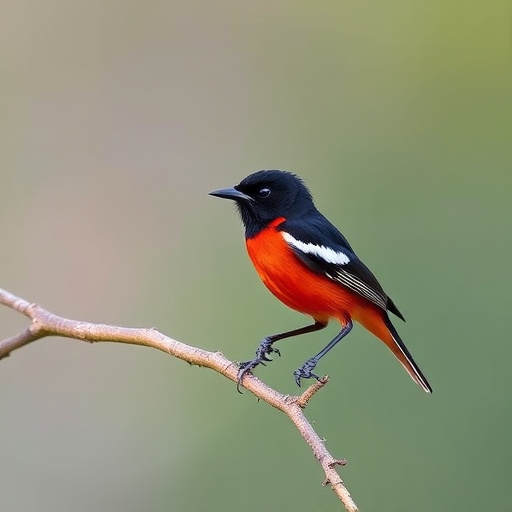
The Santa Rita Lodge serves as a prime destination for birding enthusiasts in southern Arizona, drawing birdwatchers from around the globe not just for its diverse species but specifically for the opportunity to observe the rare and captivating Painted Redstart (Myiophobia fusca). This small yet striking songbird is a favorite among specialists due to its unique plumage—males feature a vibrant red breast with black stripes, contrasting starkly against their white underparts. The lodge's strategic location in an ecosystem that blends desert and mountainside landscapes provides the ideal habitat for these feathered attractions.
During the spring and summer months, birding in southern Arizona naturally flourishes at Santa Rita Lodge. The area boasts a high concentration of Painted Redstarts, as they prefer open, dry forests where they can easily access insects and nectar from wildflowers. Observers often spot them flitting among the branches, their songs echoing through the air—a symphony that adds to the allure of this birding hotspot. Experienced ornithologists recommend visiting during dawn or dusk when redstarts are most active, offering birders a chance to capture rare glimpses of these elusive birds in their natural setting.
To maximize your chances of encountering Painted Redstarts, experts suggest employing specific techniques. These include using pishing sounds to attract birds and carrying replicas of their favored prey, such as insects and small fruits. Additionally, wearing earthy tones and staying quiet can help birders blend into the environment, increasing the likelihood of a close encounter without disturbing the birds. The lodge itself offers guided birding tours that cater to both novices and seasoned professionals, ensuring visitors get the most out of their experience while learning about the region's diverse avifauna.
The Lodge's Feeder System: Design and Benefits
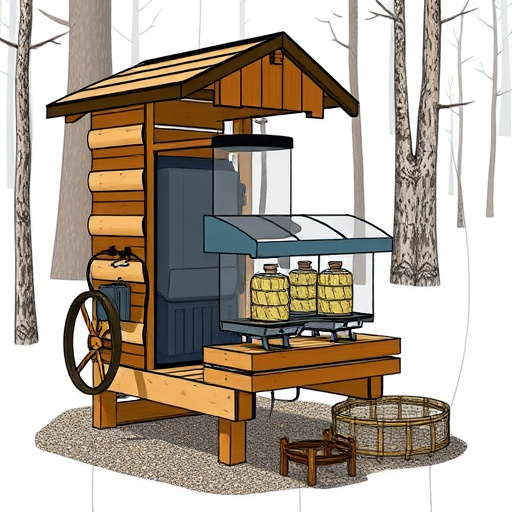
Santa Rita Lodge, nestled in the heart of southern Arizona's vibrant birding landscape, boasts a unique attraction that draws nature enthusiasts and birders from far and wide—its meticulously designed feeder system. This innovative approach to feeding wild birds not only supports a diverse range of avian species but also offers visitors an unparalleled viewing experience, especially for those seeking the elusive Painted Redstart. The lodge's commitment to enhancing local biodiversity through this system is a testament to its dedication to preserving and promoting birding in southern Arizona.
The feeder system at Santa Rita Lodge is a symphony of design and functionality, strategically placed to maximize bird activity throughout the year. Each feeder is carefully chosen for its capacity, material, and placement, ensuring optimal nutrition and comfort for birds while providing visitors with clear, unobstructed views. For instance, the lodge incorporates both tube feeders and platform feeders, each attracting different species. Tube feeders, filled with high-quality seed mixes, are particularly popular among finches, chickadees, and bushtits, while platform feeders, offering a variety of seeds and suet, entice woodpeckers, nuthatches, and cardinals. This diverse selection not only caters to the varied dietary needs of birds but also creates an enriching birding experience for visitors.
One of the key benefits of the lodge's feeder system is its ability to foster close encounters with birds, especially those that are more elusive. The Painted Redstart, known for its preference for dense, shrubby habitats and shy nature, often finds refuge at Santa Rita Lodge. By providing consistent food sources and safe viewing areas, the lodge encourages these beautiful creatures to venture closer to visitors, allowing for breathtaking observations. This intentional approach to birding in southern Arizona has made Santa Rita Lodge a premier destination for bird enthusiasts seeking rare sightings.
To ensure the longevity of the feeder system and promote sustainable birding practices, regular cleaning and maintenance are essential. The lodge's staff follows strict protocols to prevent the spread of diseases among birds, using only disinfected equipment and following guidelines from wildlife experts. Additionally, they monitor the feeders' contents, ensuring a balanced diet for the diverse bird population, which includes both resident and migratory species. By adhering to these practices, Santa Rita Lodge not only maintains its status as a top birding destination but also contributes positively to the health and preservation of southern Arizona's rich avian ecosystem.
Observing Bird Behavior: Insights from the Field
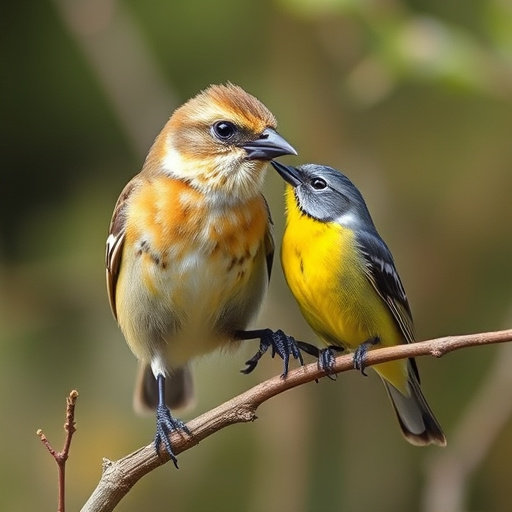
The Santa Rita Lodge, nestled in the vibrant birding hotspot of southern Arizona, offers a unique opportunity to observe the intricate behaviors of the Painted Redstart—a species renowned for its striking plumage and elusive nature. This lodge has become a haven for bird enthusiasts seeking a deeper understanding of these feathered creatures in their natural habitat. The Redstarts, with their vibrant red breasts and quick movements, are particularly captivating during the spring and summer months when they actively feed and breed in the region's lush landscape.
Field observations at Santa Rita Lodge have revealed fascinating insights into the feeding habits and territorial behaviors of Painted Redstarts. Researchers and birding experts have noted that these birds exhibit a distinct preference for certain plant species, particularly those with abundant nectar and insects. The lodge's strategic placement within this diverse ecosystem provides an ideal setting for documenting their dietary choices. During the morning hours, when insect activity is at its peak, Redstarts can be seen flitting from flower to flower, their tails fanned and wings beat rapidly—a behavior indicative of foraging efficiency. This meticulous feeding pattern suggests a high level of adaptation to the local food sources, making Santa Rita Lodge a prime location for studying their ecological niche.
In addition to their foraging strategies, birding enthusiasts can witness the competitive nature of these birds as they defend their territories against intruding Redstarts or other bird species. The lodge's peaceful surroundings allow viewers to observe these interactions without disturbance, providing a rare chance to study territorial disputes in close detail. By documenting such behaviors, researchers gain valuable data on the social dynamics and habitat preferences of Painted Redstarts, contributing to our understanding of this captivating species within its southern Arizona ecosystem.
Seasonal Variations: When to Catch a Glimpse
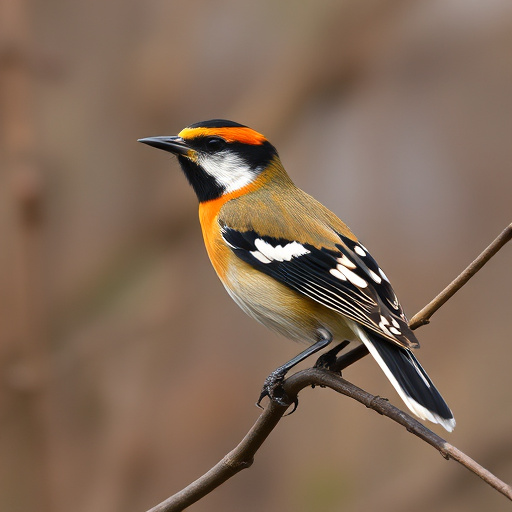
The Santa Rita Lodge, nestled in the scenic mountains of southern Arizona, is a haven not just for nature enthusiasts but particularly for birders. One of the most anticipated attractions during the year is the Painted Redstart, a small yet striking bird that graces these parts seasonally. Understanding when and where to catch a glimpse of this elusive species is crucial for any avid birder visiting this region.
The timing of the Painted Redstart's visit to the Santa Rita Lodge varies each year, but it typically aligns with the warmer months. These birds tend to arrive in late spring, around April or May, and remain until early fall, departing by October or November. This seasonal migration is a result of their preference for lush, dense vegetation where they can forage for insects and small invertebrates—a richness that birding in southern Arizona naturally offers during these periods.
Practical advice for visitors is to be prepared with binoculars and a field guide specific to the region's birds. The lodge's feeders are strategically placed to provide optimal viewing opportunities. During peak seasons, birders can expect to see several Painted Redstarts flitting among the feeder crowds, often engaging in elaborate courtship displays. This behavior, combined with their striking plumage of vibrant red, black, and white, makes them a favorite among visitors.
Data from previous years indicate that consistent observation times are key. Early mornings and late afternoons tend to be the most active periods for these birds, as they hunt for food while the temperature is cooler. By being proactive and persistent during these times, birders can significantly enhance their chances of catching a glimpse of this seasonal visitor, making their stay at the Santa Rita Lodge an unforgettable birding experience.
Community Engagement: Education Through Birding
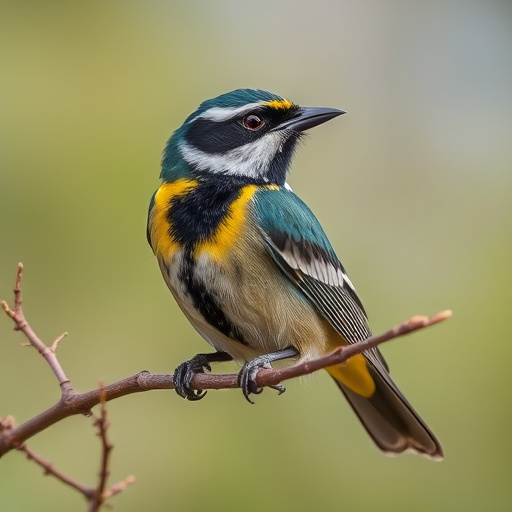
Santa Rita Lodge, nestled in the heart of birding country in southern Arizona, has become a haven not only for bird species but also for enthusiasts seeking educational experiences through what is affectionately known as birding. The lodge's feeders have emerged as a community engagement tool, drawing both local residents and visitors alike to observe and learn about the diverse avifauna that call this region home. This phenomenon highlights an important aspect of community development and environmental education—the power of connecting people with nature.
Birding in southern Arizona offers unique opportunities for citizens and tourists alike to engage with their natural surroundings. The lodge's feeders, strategically placed to optimize viewing, provide a window into the rich biodiversity of the area. Participants are treated to sightings of common species like the Painted Redstart, as well as more elusive birds that wander through the region. This hands-on approach fosters a deeper appreciation for local ecosystems and encourages participants to become citizen scientists, contributing to ongoing data collection efforts that benefit conservation initiatives.
Practical insights for replicating this community engagement strategy are readily available. Local organizations can establish similar feeder stations in public parks or private properties, ensuring they meet the needs of both native birds and human viewers. Educational programs centered around birding events can be developed, incorporating interactive workshops, field trips, and online resources to enhance knowledge and understanding. For instance, the Santa Rita Lodge hosts regular bird walks led by expert volunteers who share their extensive knowledge, making these activities accessible to people of all ages and skill levels. By integrating birding into community life, areas like southern Arizona can foster a sense of stewardship for local wildlife and preserve the region's natural tapestry for future generations.
The article offers a comprehensive guide to birding in southern Arizona, highlighting Santa Rita Lodge as a prime destination for observing the Painted Redstart. Through detailed insights into the lodge's feeder system, bird behavior, seasonal variations, and community engagement initiatives, readers gain valuable knowledge about attracting and studying these unique feathered attractions. Understanding the benefits of this natural setting empowers both seasoned birders and newcomers to fully appreciate and contribute to the rich biodiversity found in southern Arizona. Practical takeaways encourage responsible observation and foster a deeper connection with nature, making it an invaluable resource for anyone interested in enhancing their birding experiences locally.