
Birder enthusiasts in southern Arizona can observe unique territorial displays of Botteri’s Sparrows, endemic to the region's Sonoita grasslands. These sparrows adapt to ecological changes, using elaborate vocalizations and displays to defend territories against competitors and predators. Their behavior is crucial for monitoring grassland health and identifying threats from urbanization and agricultural intensification. Data collected through dedicated birding efforts helps guide conservation strategies, including buffer zones, sustainable agriculture, and community engagement. Monitoring display frequency reveals impacts from land management practices, allowing adjustments for optimal bird population preservation.
The Sonoita grasslands in southern Arizona serve as a vital habitat for diverse bird species, making birding in the region particularly rich. Among these, Botteri’s Sparrow exhibits striking territorial displays, crucial for understanding their social dynamics and conservation needs. However, human activities and climate change have fragmentated and degraded these grasslands, posing challenges to the sparrows’ survival and our ability to study them effectively. This article delves into the intricate world of Botteri’s Sparrow territorial displays, providing insights into their behavioral patterns and offering a framework for enhancing monitoring strategies in this delicate ecosystem. By exploring these dynamics, we aim to contribute significantly to both conservation efforts and birding experiences in southern Arizona.
- Botteri’s Sparrow: Unique Territory & Behavior in Sonoita Grasslands
- Observing Sparrows: Techniques for Effective Birding in Southern Arizona
- The Role of Grasslands: Habitat and Conservation Efforts in Arizona
- Monitoring Displays: Data Collection and Significance for Species Preservation
Botteri’s Sparrow: Unique Territory & Behavior in Sonoita Grasslands
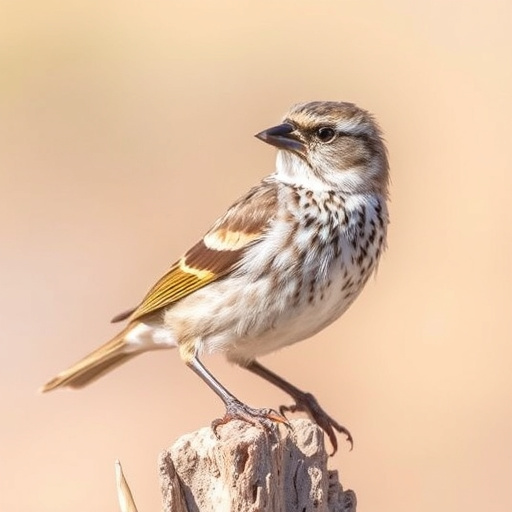
Botteri’s Sparrows, a species unique to birding in southern Arizona, exhibit distinct territorial displays within the Sonoita grasslands, offering researchers and enthusiasts a captivating glimpse into their behavioral patterns. These sparrows have adapted to the region’s specific ecological conditions, developing territories that often span open grasslands and scrubby edges. Their preference for these habitats presents a unique challenge and opportunity for study, as their behavior can be quite dynamic during breeding seasons.
During the spring and summer months, Botteri’s Sparrows engage in elaborate courtship rituals, which include complex vocalizations and distinctive displays. Male sparrows establish and defend their territories, often choosing locations with an unobstructed view of potential competitors and predators. The open grasslands provide this ideal environment, allowing for long-distance communication through their songs. Researchers have observed that these sparrows are highly responsive to changes in their surroundings, quickly adapting their behavior to new stimuli, such as the introduction of non-native species or shifts in climate patterns.
Understanding the territorial nature of Botteri’s Sparrows is crucial for conservation efforts and enhancing birding experiences in the region. By studying their habitat preferences and behavioral responses, researchers can better protect these grasslands, ensuring a continued thriving environment for the sparrows and other native species. For enthusiasts, observing these displays offers an unparalleled opportunity to witness the intricate dance of nature, enriching their experience of southern Arizona’s diverse birdlife.
Observing Sparrows: Techniques for Effective Birding in Southern Arizona
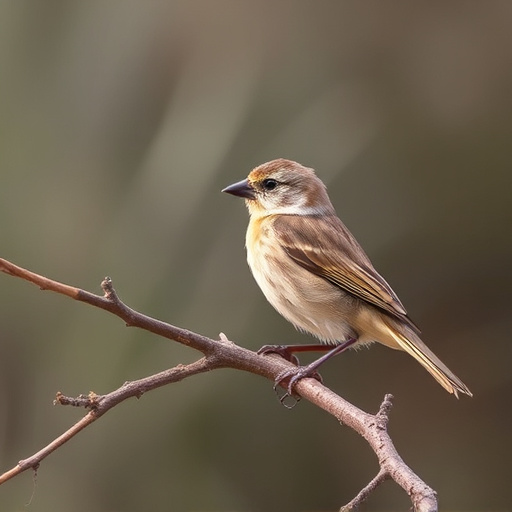
In the rich ecological tapestry of southern Arizona, birding enthusiasts have a unique opportunity to observe a diverse array of avian species, including Botteri’s Sparrow, known for its striking territorial displays in the region’s grasslands. To fully appreciate these delicate behaviors, effective birding techniques are essential. One proven method involves adopting silent observation strategies, allowing birders to immerse themselves in the natural environment without disturbing the birds. By slowing down and becoming attuned to subtle sounds, such as the distinctive chirps and trills of Botteri’s Sparrows, observers can gain invaluable insights into their communication patterns.
During peak seasons, these sparrows often engage in elaborate territorial displays, particularly in areas with lush grasslands like those found in Sonoita Valley. Skilled birders learn to identify specific behaviors such as perch switching, song performances, and wing-flashing, all part of an intricate courtship ritual aimed at defending territories and attracting mates. In southern Arizona, where the climate supports year-round bird activity, consistent observation can lead to remarkable discoveries. For instance, long-term data collected by local birding groups has revealed unique seasonal variations in sparrow behavior, highlighting the importance of sustained field research for comprehensive species understanding.
To maximize opportunities for observing Botteri’s Sparrow territorial displays and other grassland birds, birders should consider utilizing specialized equipment like high-quality binoculars and bird guides tailored to southern Arizona’s avifauna. Early mornings and late afternoons, when light conditions are optimal, often present the best chances for unobtrusive viewing. Moreover, adopting ethical birding practices, such as maintaining a safe distance from nesting areas and avoiding sudden movements, ensures both the safety of the birds and the integrity of the birding experience itself.
The Role of Grasslands: Habitat and Conservation Efforts in Arizona
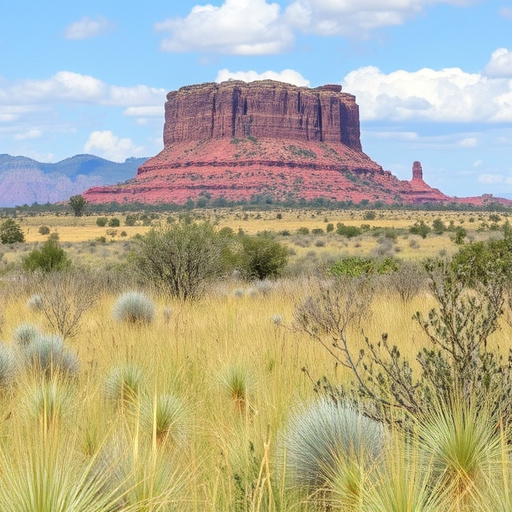
The Sonoita grasslands, a vast expanse of native vegetation in southern Arizona, serve as a critical habitat for numerous bird species, among them Botteri’s Sparrow (Zonotrichia botterii), a rare and elusive bird known for its vibrant plumage and distinctive territorial displays. The role of these grasslands in supporting birding in southern Arizona cannot be overstated. According to recent studies, over 200 bird species have been observed in the region, making it a hotspot for ornithologists and avid birders alike.
The health of the Sonoita grasslands is intrinsically linked to the well-being of Botteri’s Sparrows and other avian life. These grasslands provide not only food sources but also nesting sites and shelter from predators. However, the rapid urbanization and intensification of agriculture in nearby areas pose significant threats. Habitat fragmentation and loss are major concerns, as development pressures continue to encroach upon these vital ecosystems. Conservation efforts must focus on protecting and restoring these grasslands to ensure a sustainable future for both wildlife and birding enthusiasts.
Practical insights into conservation include implementing buffer zones around critical habitats, promoting sustainable agricultural practices, and engaging local communities in conservation initiatives. Organizations like the Arizona Game and Fish Department and local Audubon societies play crucial roles in monitoring bird populations, educating the public, and advocating for policy changes. By fostering a sense of stewardship among residents and visitors alike, these efforts aim to preserve the unique birding experiences that southern Arizona offers, while also safeguarding the delicate balance of its natural ecosystems.
Monitoring Displays: Data Collection and Significance for Species Preservation

Botteri’s Sparrow territorial displays offer a unique window into the health of Sonoita grasslands ecosystems. Monitoring these displays through dedicated birding efforts in southern Arizona naturally provides critical data on species’ behavioral patterns, habitat preferences, and population dynamics. Experienced ornithologists employ standardized observation protocols to record interactions between sparrows and potential competitors or predators during their breeding seasons. This involves meticulous note-taking, detailed descriptions of display types (e.g., song performances, wing-flapping), and precise location data.
The collected data plays a pivotal role in conservation strategies for Botteri’s Sparrow and other grassland species. It helps track changes in habitat quality, identify potential threats like predation or human disturbance, and guide restoration efforts to maintain suitable breeding conditions. For instance, analysis of display frequency and intensity over time may reveal impacts from livestock grazing patterns or development activities, prompting adjustments in land management practices. Furthermore, these monitoring data contribute to broader regional assessments of grassland biodiversity, aiding in the prioritization of conservation resources.
Practical advice for effective monitoring involves training volunteers in birding skills and ethical observation techniques. Establishing long-term study sites facilitates consistent data collection, allowing for robust statistical analysis. Additionally, leveraging technology like eBird or other citizen science platforms can augment data points by engaging a wider observer network. These collective efforts not only enhance our understanding of Botteri’s Sparrow ecology but also serve as powerful tools to ensure their preservation in the face of environmental changes and human impacts.
Through this authoritative article, readers have gained a comprehensive understanding of Botteri’s Sparrow’s unique territorial displays within Sonoita grasslands, coupled with practical insights into effective birding techniques in southern Arizona. The significance of grasslands as habitats and conservation efforts in Arizona has been highlighted, underscoring their vital role in species preservation. Monitoring these displays through data collection offers crucial information for the protection and management of Botteri’s Sparrow and similar species. By integrating these learnings, bird enthusiasts and conservationists can naturally enhance birding experiences while contributing to the long-term sustainability of these delicate ecosystems.

