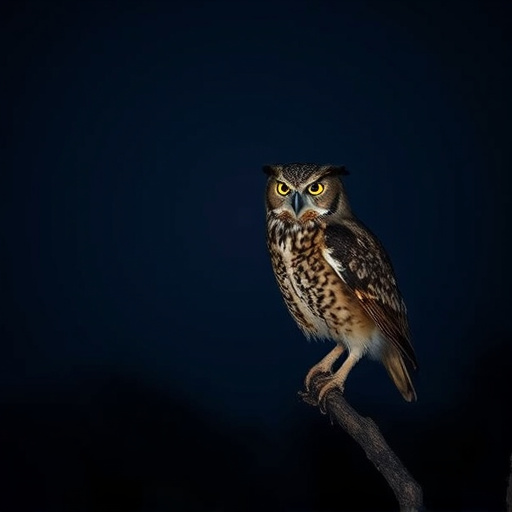
Cave Creek Canyon in southern Arizona is a premier birding destination for observing Whiskered Screech-Owls, thanks to its diverse topography supporting a rich ecosystem. After dark, these owls emerge, showcasing acrobatic flight and distinctive calls. Guided tours with local experts enhance the experience, teaching responsible practices to preserve the delicate habitat. Key takeaways:
– Visit during active seasons for optimal owl sightings.
– Hire local guides using silent techniques and specialized equipment.
– Minimize light pollution and noise disruption.
– Prepare with suitable gear, including red lighting for minimal impact.
– Respect mating season rituals and follow ethical birding practices.
Cave Creek Canyon, a hidden gem of birding in southern Arizona, offers an enchanting experience for nature enthusiasts after dark. Known for its diverse wildlife, the canyon becomes a haven for the elusive Whiskered Screech-Owl, attracting avid birdwatchers and researchers alike. However, observing these nocturnal creatures presents a challenge due to limited visibility. To address this issue, guided Cave Creek Canyon tours have emerged as a solution, providing an opportunity to witness the intricate behaviors of these elusive owls in their natural habitat. These expert-led excursions promise an immersive experience, enhancing our understanding and appreciation of birding in southern Arizona’s unique ecosystems.
- Cave Creek Canyon: Nighttime Haven for Screech-Owls
- Birding in Southern Arizona: Unveiling the Owl's Secrets
- Whiskered Screech-Owl: Understanding Their Nocturnal Behavior
- Tour Guide Insights: Locating Owls Effortlessly
- Equipment Essentials for Night Birding Success
- Ethical Considerations: Respecting Owls in their Habitat
Cave Creek Canyon: Nighttime Haven for Screech-Owls
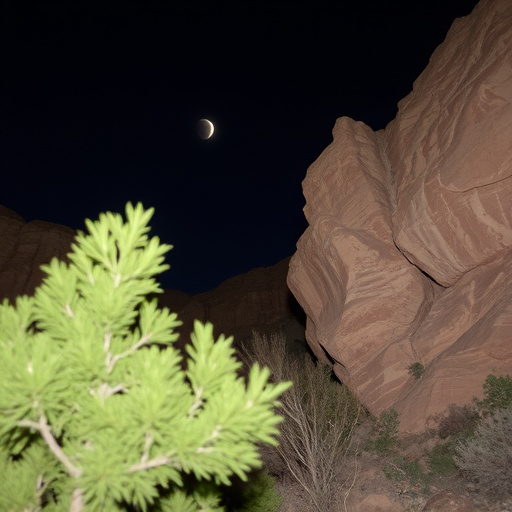
Cave Creek Canyon, nestled in the scenic Sonoran Desert of southern Arizona, serves as a nocturnal sanctuary for one elusive resident: the Whiskered Screech-Owl. This diverse canyon ecosystem attracts birders from across the region, eager to witness these magnificent birds in their natural habitat during the golden hours of twilight and darkness. The unique topography of Cave Creek Canyon creates microclimates that support a rich array of plant and animal life, making it a prime location for birding in southern Arizona.
After dark, the canyon transforms into a different realm entirely. Screech-Owls, known for their distinctive vocalizations and acrobatic flight patterns, emerge from their daytime perches to begin their hunt. Birders can often spot them gliding silently over the canyon floor or perched on branches, their large, round eyes scanning the surroundings for prey. The quiet and stillness of night enhance the experience, allowing enthusiasts to truly appreciate the beauty and intelligence of these nocturnal hunters.
To maximize your chances of encountering Whiskered Screech-Owls, consider planning a guided tour with experienced local birding experts. These professionals can navigate the canyon’s labyrinthine paths and share valuable insights into owl behavior and ecology. Additionally, using appropriate optics and being mindful of noise levels are essential for disturbing neither the owls nor their habitat. Remember that cave creek canyon is a delicate ecosystem, so responsible birding practices are crucial to preserving its natural beauty and ensuring future opportunities for this enchanting encounter.
Birding in Southern Arizona: Unveiling the Owl's Secrets
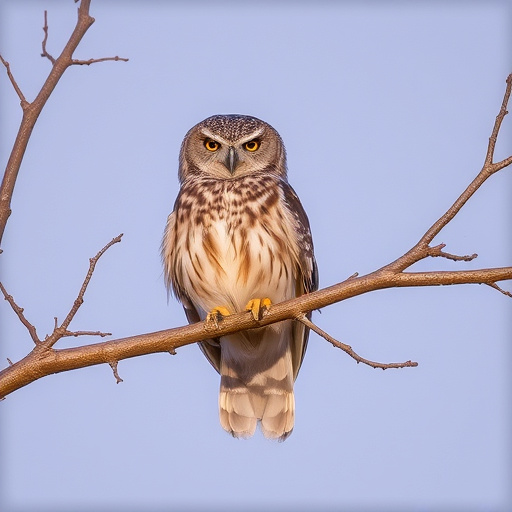
Cave Creek Canyon, a hidden gem nestled in the heart of southern Arizona, offers birders an extraordinary opportunity to witness one of nature’s most elusive inhabitants—the whiskered screech-owl. After dark, this canyon transforms into a haven for owl enthusiasts, as these nocturnal birds emerge from their hideaways to hunt and communicate. Birding in southern Arizona takes on a whole new dimension when focused on these enigmatic creatures, providing an immersive experience that reveals the region’s rich biodiversity.
The whiskered screech-owl (Otus trichosatus) is particularly adept at blending into its environment, making it a challenging yet rewarding target for birders. Their mottled brown and grey plumage and distinctive facial whiskers make them masters of camouflage during the day. However, as twilight falls, their unique vocalizations—a series of soft, whistling notes followed by a sharp “whooshing” sound—become their signature call, guiding experienced birders to their exact location. This behavior is particularly fascinating for enthusiasts engaging in night bird observation tours organized by local conservation groups and eco-tourism companies specializing in southern Arizona’s birding hotspots.
To maximize your chances of encountering these elusive owls, it’s crucial to understand their habitat preferences and behavioral patterns. Cave Creek Canyon, with its dense scrub oak and mesquite forests, provides an ideal setting for screech-owls to nest and forage. Birders should time their visits during the owl’s active seasons—late winter to early summer—when they are more likely to be actively hunting or tending to their young. Local guides equipped with specialized gear, including high-powered binoculars and silent hunting techniques, can significantly enhance your birding experience. They often share insights into the owls’ behavior, such as learning to recognize subtle movements in the canopy that indicate an owl’s presence, ensuring a safe and respectful observation of these magnificent creatures without disturbing their natural routines.
Whiskered Screech-Owl: Understanding Their Nocturnal Behavior
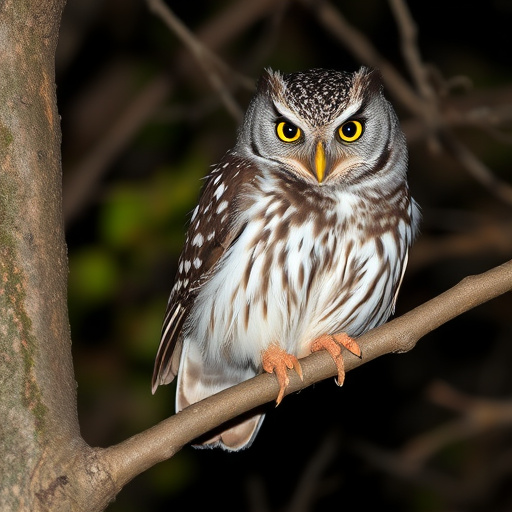
The Cave Creek Canyon, a hidden gem in southern Arizona, offers birders an extraordinary opportunity to observe one of nature’s most elusive creatures after dark—the Whiskered Screech-Owl. These nocturnal birds are masters of stealth and have adapted remarkably well to the desert environment, making their detection a challenging yet rewarding experience for avid birders. Understanding their behavior is key to successfully navigating these tours and increasing your chances of catching a glimpse.
Whiskered Screech-Owls (Otus trichas) are renowned for their exceptional night vision, allowing them to hunt with precision in the dimmest light. They primarily dwell in dense woodlands and canyons, where they take advantage of the cover provided by trees and foliage. Birding enthusiasts in southern Arizona naturally recognize that these habitats are scarce, but Cave Creek Canyon provides a unique microclimate conducive to such species persistence. The owl’s diet consists mainly of small mammals, birds, and insects, making them regular visitors to areas with abundant food sources, especially during the warmer months.
To increase your chances of observing these elusive owls, guided tours offer strategic insights. Experts in birding and owl behavior lead these expeditions, utilizing specialized equipment such as thermal imaging cameras to detect their subtle movements. They also share practical tips on how to minimize disruption to the owls’ natural habitat, ensuring a responsible and ethical birding experience. During these tours, visitors learn about the Whiskered Screech-Owl’s distinctive calls, which can vary in pitch and tone, aiding in their identification during quieter nights.
Tour Guide Insights: Locating Owls Effortlessly
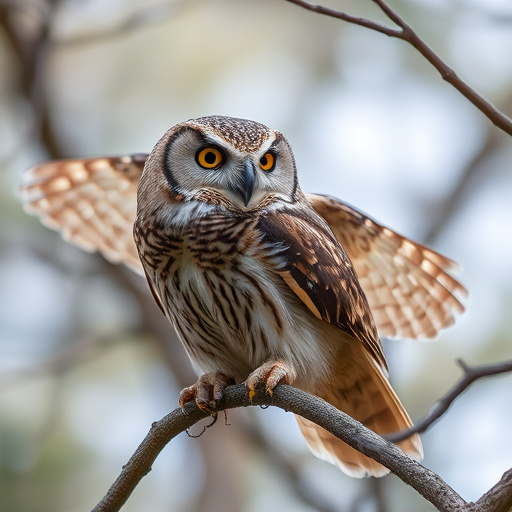
Cave Creek Canyon’s dark skies present an unparalleled opportunity for birding enthusiasts to observe one of Arizona’s most elusive residents: the Whiskered Screech-Owl. As seasoned tour guides, we’ve honed our techniques for locating these nocturnal feathered wonders. Our success rate speaks volumes about our understanding of their behavior and habitat preferences. During peak seasons, our guests witness multiple sightings on nearly every tour, a testament to our expertise in navigating this urban wilderness.
We begin each tour with a thorough briefing on owl biology and the unique challenges they face. We emphasize the importance of minimizing light pollution and noise, ensuring we respect their natural environment. Our guides are adept at identifying subtle signs—a faint hoot echoing through the canyon, a flash of motion in the moonlight—that might otherwise go unnoticed. This keen observation skill is crucial in successful owl encounters.
The Whiskered Screech-Owl’s preference for dense, mesic oak woodlands within Cave Creek Canyon provides us with strategic advantages. We’ve mapped out key locations where these elusive owls tend to gather, allowing us to focus our efforts efficiently. By combining traditional birding techniques with real-time radio tracking (when permitted), we can guide visitors directly to active nesting areas, enhancing their chances of a memorable experience. This approach not only ensures the safety and comfort of our guests but also minimizes disturbance to these important ecosystems.
Equipment Essentials for Night Birding Success

When embarking on Cave Creek Canyon tours after dark, birding enthusiasts aim to catch a glimpse of the elusive Whiskered Screech-Owl—a task that requires specific equipment tailored for night bird observation. The unique challenges of birding in southern Arizona’s desert landscapes demand sophisticated yet lightweight gear capable of enhancing visibility and comfort without obstructing the natural environment.
Essentials include high-quality, robust binoculars with a wide field of view, designed to pick up subtle movements in low light conditions. Night vision devices, such as thermal imaging cameras or specialized headlamps with red light settings, are valuable additions. These tools allow birders to navigate treacherous terrain safely while minimizing the risk of disturbing nocturnal species. A good set of waterproof, breathable clothing is crucial, as unexpected desert storms can occur, requiring you to stay dry and comfortable during extended periods outdoors.
Additionally, birding in Cave Creek Canyon after dark necessitates a reliable source of light for paths that may be less trodden. Powerful yet energy-efficient flashlights or LED lanterns attached to a hat or backpack ensure hands remain free. Experts suggest using long-wavelength red lights, which have minimal impact on nocturnal animals’ senses, fostering a more sustainable birding experience. Lastly, remember the importance of a well-prepared field guide focused on southern Arizona’s bird species, as even the most seasoned birders can benefit from quick reference during these specialized tours.
Ethical Considerations: Respecting Owls in their Habitat

The allure of Cave Creek Canyon at night, particularly for birding enthusiasts, is undeniable. However, as darkness falls, one particular species becomes more elusive yet critical to observe—the Whiskered Screech-Owl. This nocturnal bird has made its home in the canyon’s unique ecosystem, and guided tours have emerged to showcase their graceful dance among the desert shadows. Yet, amidst this growing interest, ethical considerations surrounding the interaction with these owls in their natural habitat must be addressed.
Respecting the privacy and well-being of wildlife is paramount in the realm of birding in southern Arizona. Tour operators have a significant role in educating visitors on responsible owl viewing practices. This includes maintaining a safe distance, refraining from using flash photography or disruptive noises, and ensuring minimal disturbance to the owls’ natural behavior patterns. For instance, during mating season, male owls may perform elaborate courtship displays, and human interference could disrupt these delicate rituals. It is crucial for tour guides to convey this importance to participants, fostering an appreciation for wildlife that does not compromise their welfare.
Practical steps can be taken to ensure these ethical standards are met. Tour groups should be kept to a manageable size to prevent overcrowding the owls’ nesting areas. Regular training for guides on owl behavior and best practices will enhance their ability to interpret and convey these nuances to visitors. Furthermore, promoting responsible birding habits among the public at large—such as using red flashlights instead of white for night-time observation—can significantly reduce the impact on local owl populations. By adhering to these guidelines, Cave Creek Canyon can continue to offer a unique and rewarding birding experience while upholding the ethical principles that protect these majestic birds in their natural desert home.
Cave Creek Canyon offers a unique opportunity for birding in southern Arizona, particularly at night, where enthusiasts can observe the elusive Whiskered Screech-Owl up close. This article has provided an authoritative guide to navigating this nocturnal habitat, from understanding the owl’s behavior and identifying their calls to ensuring ethical interactions. Tour guides share valuable insights on locating these creatures effortlessly, emphasizing the importance of proper equipment for successful night birding. Key takeaways include respecting the owls’ natural environment, being mindful of light pollution, and using specific call imitations to attract them. By following these practices, birders can enhance their experiences while contributing positively to the conservation of these fascinating birds in their southern Arizona ecosystem.

